

Last month, as part of the Istanbul Film Festival, I watched the documentary Pompei: Below the Clouds and witnessed the everyday lives of the people of Naples living under the constant threat of a volcanic eruption. In the piece I wrote about that documentary, I mentioned that I know exactly what it feels like to live in a city like Istanbul — a place filled with chaotic urbanization and buildings vulnerable to earthquakes. At some point, people learn to live alongside approaching disasters. Eventually, they even normalize them. And I think that is the most frightening part of all.
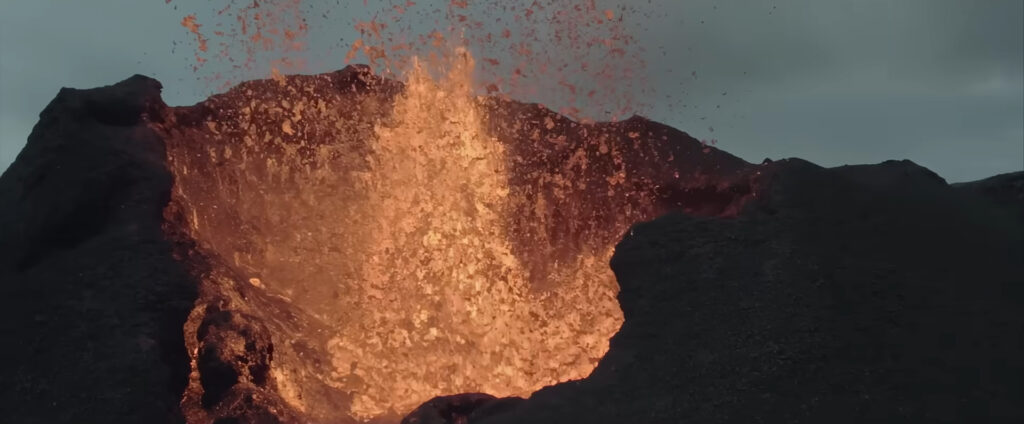
This time, while watching The Fires (2025), – Eldarnir in Icelandic – I realized that the film focuses on another subject I know all too well through direct experience: society’s indifference toward an approaching natural disaster. Yes, the film contains several side-story elements, but at its core, it tells the story of a scientist trying to warn the government about an imminent volcanic eruption while being ignored by the authorities.
It is precisely this aspect of the film that feels deeply familiar to me. Pompei: Below the Clouds explored the psychology of ordinary people facing an impending catastrophe. The Fires, on the other hand, is more concerned with the indifference of those in positions of responsibility. Because some disasters are not solely the fault of nature.
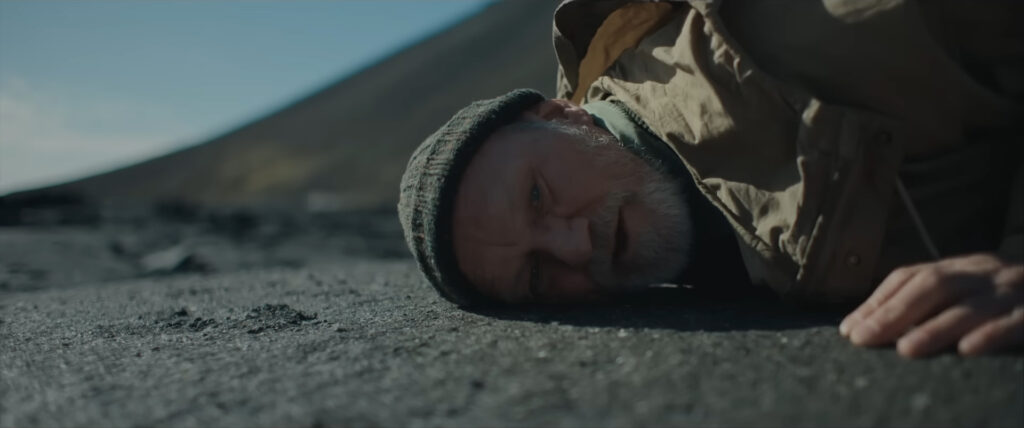
Sometimes, the real disaster is the people who refuse to take the necessary precautions. I know this because one of the biggest realities in Türkiye is the constant threat of earthquakes. People live in homes they know could collapse on top of them during even the smallest tremor. And over time, they begin to accept this as normal. We cannot blame these people for adapting.
The people we should blame are the ones who continue to do nothing despite knowing the risks. I have a lot to say about this subject, so I will not go on for too long, but I think this is exactly why stories about approaching disasters and scientists trying to prevent them have always affected me deeply. And before anyone asks: yes, that absolutely includes Roland Emmerich’s 2012 (2009)
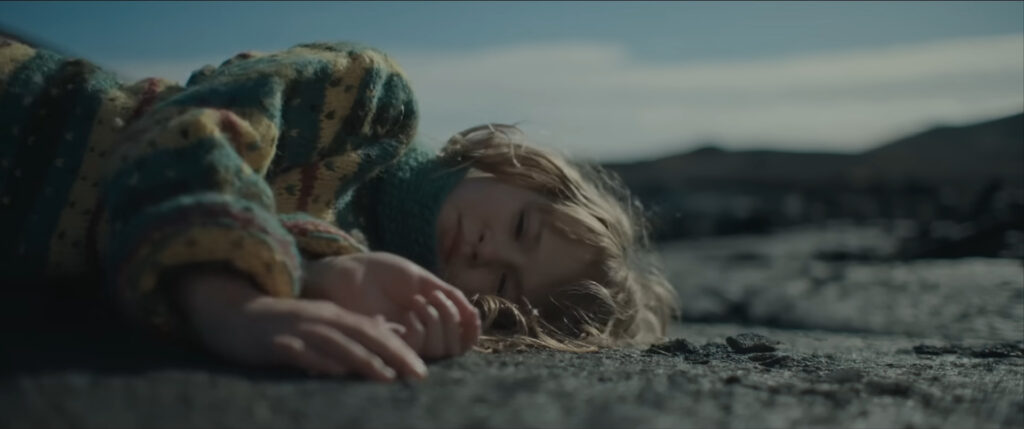
As I mentioned, The Fires follows Anna Arnardóttir (Vigdís Hrefna Pálsdóttir), one of Iceland’s leading volcanologists. Anna notices increasing seismic activity in a long-dormant volcanic system on the Reykjanes Peninsula and realizes that a major eruption is approaching. She repeatedly warns the government and public officials, but her concerns are either dismissed or deliberately softened in order to avoid public panic. This is where the film finds its greatest strength. Because what it is really portraying is not just a volcano, but humanity’s tendency to ignore looming catastrophes.
However, alongside this crisis, the film also spends a significant amount of time focusing on Anna’s personal life. She is trapped in a marriage that has long been emotionally dead. Around this time, a charismatic Danish photographer (Pilou Asbæk) enters her life, and the two begin a passionate and forbidden affair.
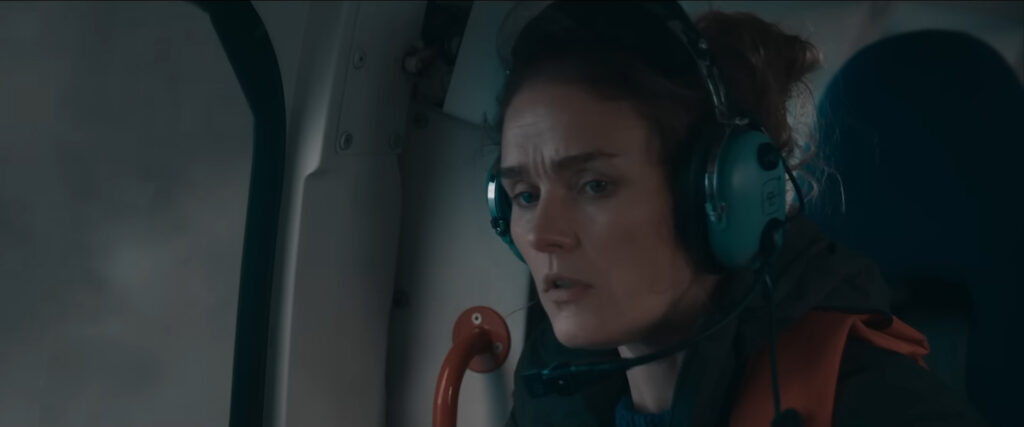
At that point, one cannot help but wonder: what exactly does this add to the story? Because the film already possesses an incredibly powerful central premise. And when there are so many compelling directions this subject could have explored, drowning the narrative in such a heavy romantic subplot often feels distracting. The film already captures our attention through the idea of an approaching disaster, yet it repeatedly shifts toward melodrama, which weakens the pacing.
What makes this more frustrating is that there actually seems to be strong potential here. The idea of a heroic scientist trying to save thousands of lives while simultaneously being a woman betraying her husband could have created a fascinating moral contradiction. On one side, there is a scientist attempting to save an entire population; on the other, a person making ethically questionable decisions in her private life.
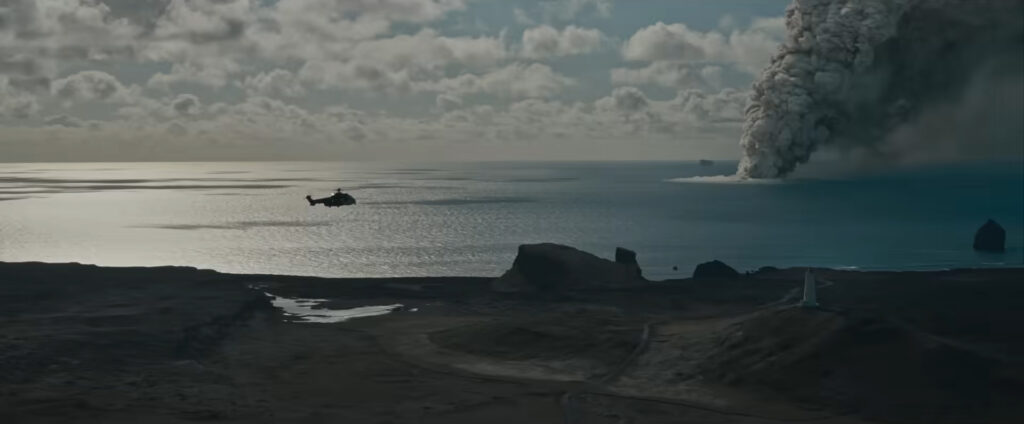
If the film had explored the tension between these two identities more deeply, it could have become something far more layered and complex. But honestly, the film never fully succeeds in doing that. Because of this, I see the relationship subplot not merely as an unnecessary addition, but also as a major missed opportunity.
That said, the film’s ability to portray humanity’s helplessness in the face of nature — and society’s refusal to take action despite clear warnings — remains a major strength for me. Because this is not a story unique to Iceland. In many parts of the world, people have become accustomed to living alongside approaching disasters. And at times, the film captures this feeling remarkably well. Especially the way state institutions constantly try to suppress the truth under the excuse of “preventing panic” feels painfully familiar.
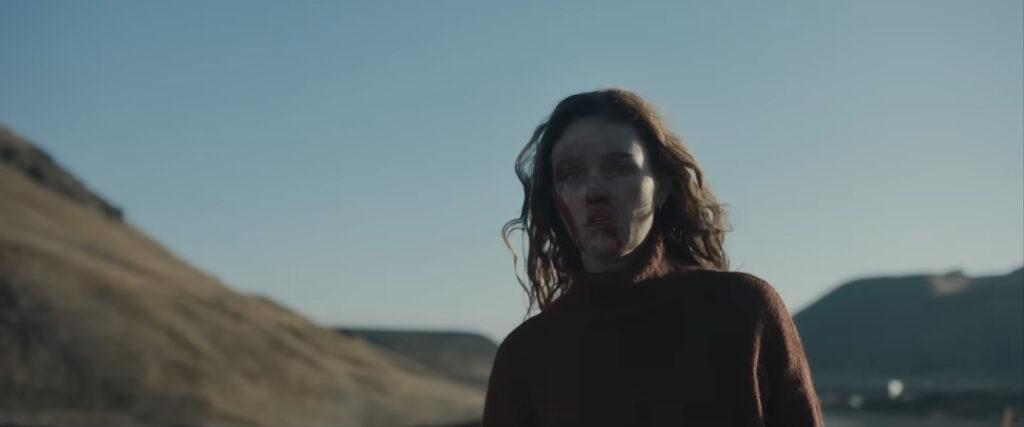
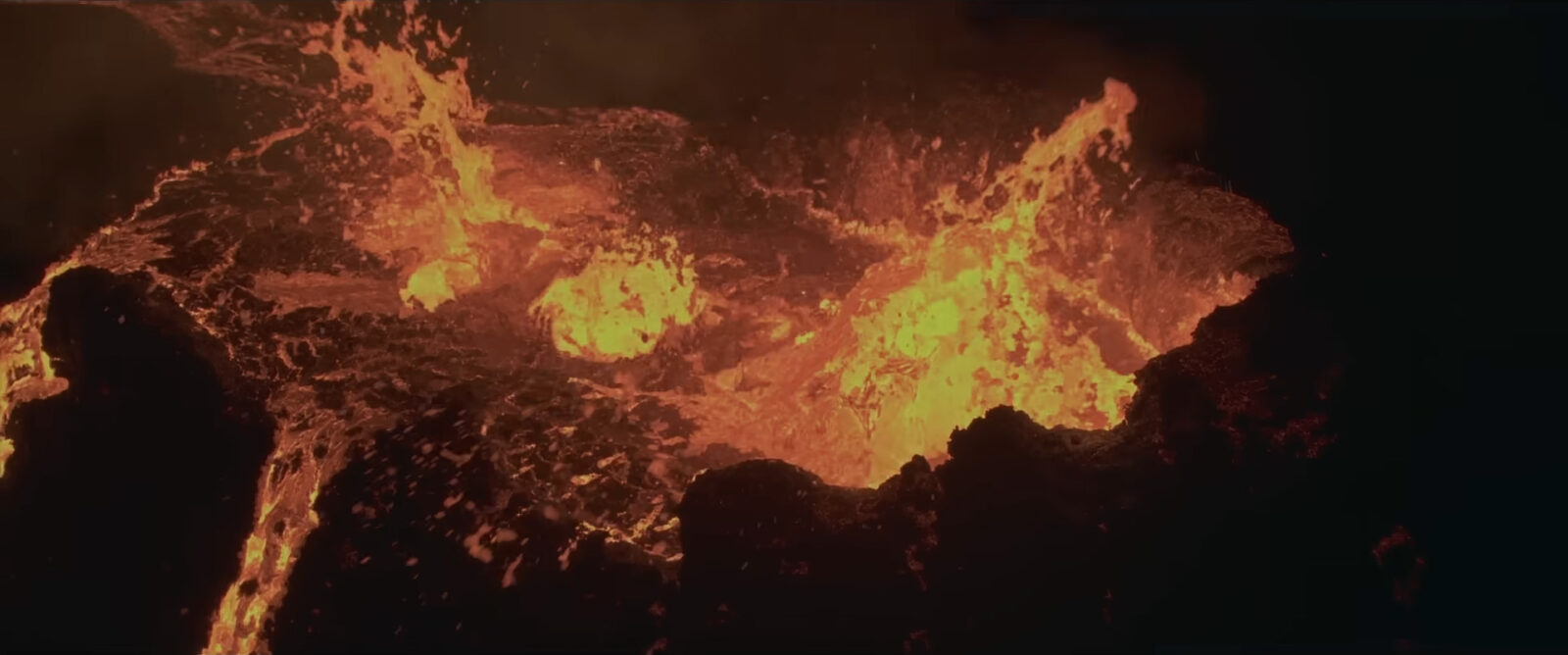
The final section of the film is also visually stunning. Watching the panic of the public after the disaster strikes, the dark clouds swallowing the city, and the silhouettes of people wandering aimlessly through ash-covered streets becomes genuinely mesmerizing at times. Even massive big-budget disaster films often fail to create imagery this powerful, yet Ugla Hauksdóttir — making her feature-length debut with what is clearly a fairly limited budget — accomplishes something genuinely impressive here.
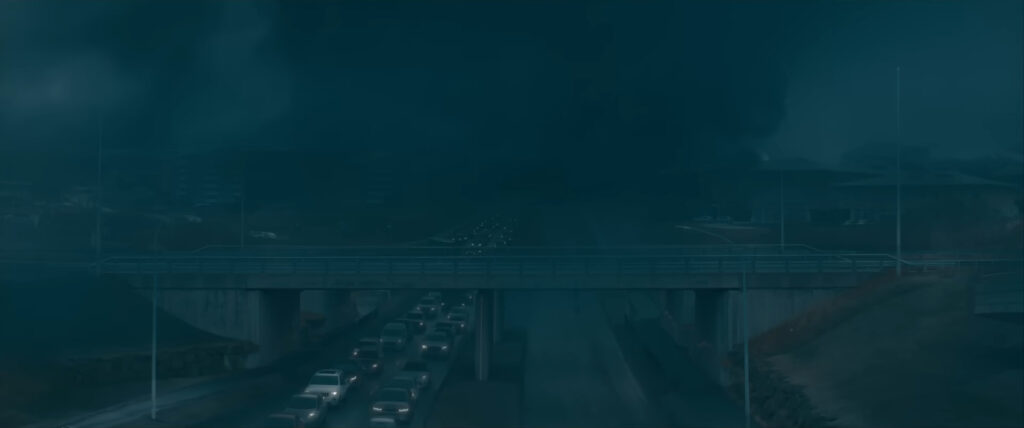
Perhaps the emotional side of the film does not always work as strongly as it intends to. Perhaps some of the side stories weaken the narrative’s core. Despite all of that, The Fires still succeeds in becoming a deeply affecting film about humanity’s fragility in the face of nature, and about how people only begin to take disasters seriously once it is already too late. For that reason alone, I am now one of the people genuinely curious about what Ugla Hauksdóttir will do next.
That concludes our review of The Fires (Eldarnir)
Did you enjoy the article? Let us know in the comments down below!
For more episodes of More Movies Weekly as well as our other shows and podcasts, be sure to check out the Podcasts page on our website.
Remember, you can have a choice of what films we review on our Weekly podcast by joining us on Patreon here.
Please join us on social media on Bluesky, Instagram and Facebook. We really appreciate all the likes, shares, retweets etc., and we would love to hear from you and continue chatting about all things cinema on these platforms.
If you love to watch videos on YouTube, then please subscribe to our channel here. There’s lots of fun and informative videos uploaded that we hope you will enjoy!
We have a passion for movies and aim to produce entertaining and informative movie-related content. It certainly is a lot of hard work, but we love films so much that it’s worth all the effort. We have to keep the lights on and make sure we have plenty of caffeine to keep all of the articles, videos and social media posts coming, so if you like our work, then please consider supporting us at Buy Me A Coffee here. You can also become a More Movies patron on Patreon here.
To help support us here at More Movies, we do use advertising in a few places and we try our best to make sure they are not intrusive or aggressive, so we appreciate it if you do not use AdBlockers on our site. Who knows, you may actually see something you like!
We are also affiliated with Funky T-shirts so be sure to check out their range of cool t-shirts which include categories Film & TV, Slogans and Retro Comics!