
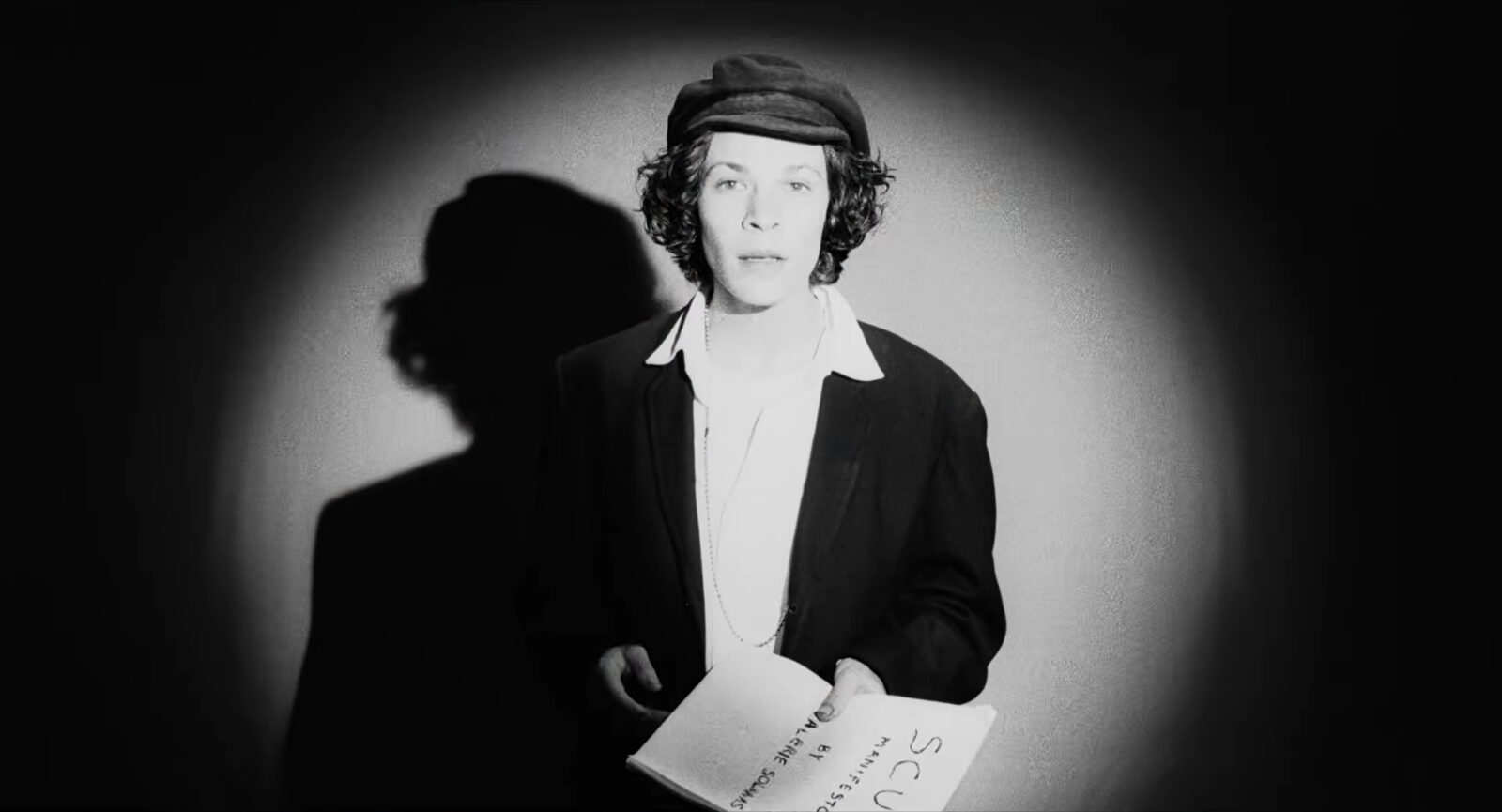

I deeply understand and love Valerie Solanas, while at the same time I’m both fascinated by and angry at Andy Warhol. Now that Mary Harron’s powerful debut, I Shot Andy Warhol (1996), is back in theatres after 30 years, I still can’t figure out whose side I’m on in this crazy drama.
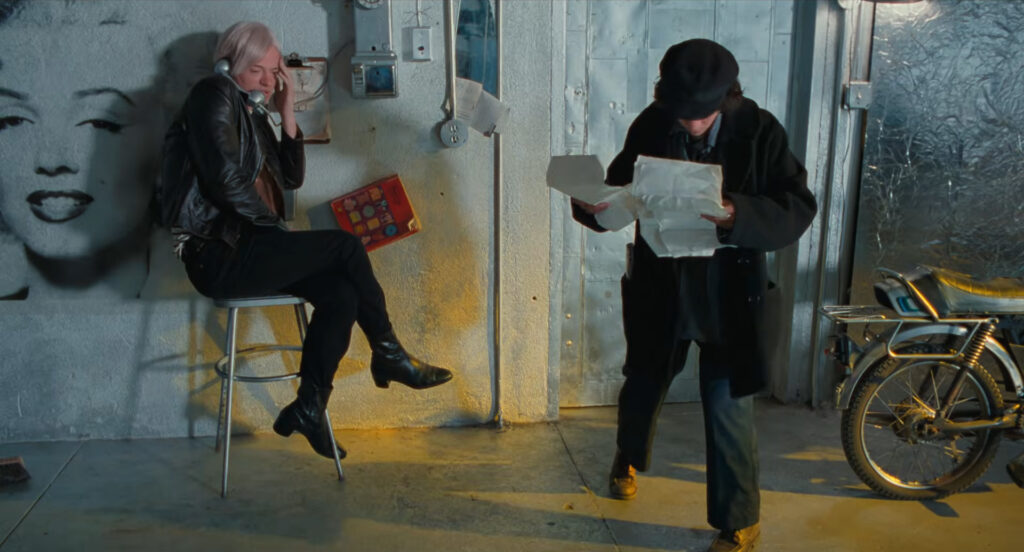
To be honest, both Andy Warhol and Valerie Solanas are two historical figures I genuinely love, each in their own way. I adore Warhol’s insane experimental films—like the one where he just sits and films the Empire State Building for eight straight hours—his ballsy decision to make a Batman movie without asking DC for permission, and the way he could spot art in the most everyday mundane.
As for Valerie Solanas, I love her SCUM Manifesto, her play Up Your Ass (The reason she shot Andy Warhol), and the fact that after reading it I basically thought, “Yeah, I get why she did it.” Her entire life story is both inspiring and cautionary: this incredibly flawed, messy human being somehow produced one of the 20th century’s most powerful texts.
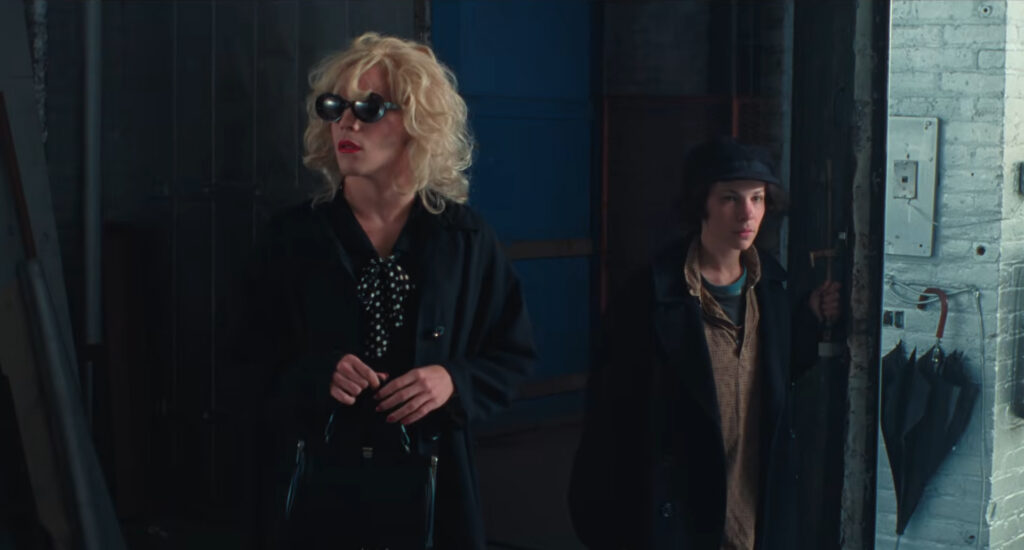
As you know, in 1968 Valerie Solanas waited for Andy Warhol at his Factory studio, and when he arrived she shot him three times. Then she called the police from a phone booth and turned herself in with the now-legendary line: “I shot Andy Warhol because he had too much control over my life.” The trigger was that Warhol had lost the only copy of Up Your Ass she’d given him. She was convinced he’d stolen it.
But honestly, to me it’s the ultimate “never meet your heroes” situation—even if Warhol wasn’t exactly her hero, he was the guy she saw as her big break. His indifference toward her slowly drove her into paranoia and rage. So yeah… one of my two favorite people shot the other. I’ve realized I’m genuinely torn on whose side to take in this story.
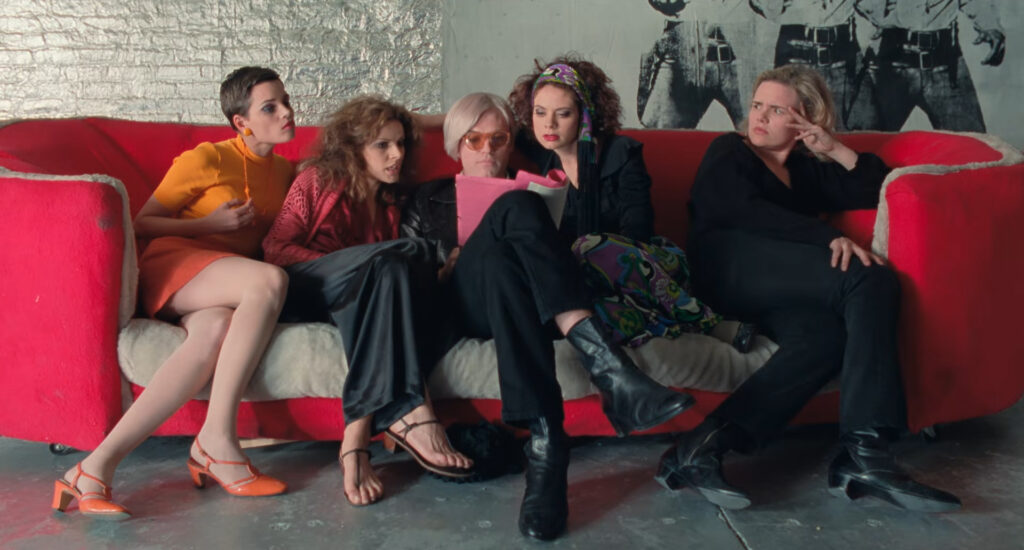
Let me be clear: I’m not here to rant about how Warhol “debased” art or how the SCUM Manifesto lacks ideological or academic rigor. I’m only interested in the tabloid, gossip side of it—and baby, I live for gossip. I’ve read every newspaper clipping, every column, every article about this incident. If it happened today, social media would explode. Someone would definitely post “Source tells me Andy is stable. Please god.”
You might wonder why I’m still obsessing over a tabloid story from almost 70 years ago in an era where even the juiciest scandal barely lasts a week. The reason is that Mary Harron’s film, which dives deep into Solanas’s story, has been re-released for its 30th anniversary.
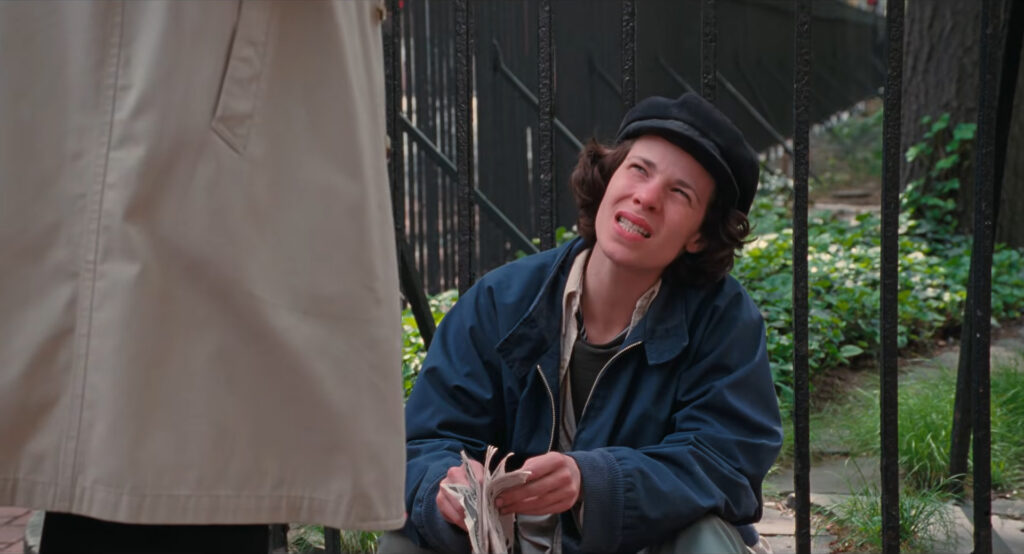
You probably know Harron’s work from American Psycho (2000) with Christian Bale, though I’m personally trying to forget her 2022 movie Daliland—don’t ask me why, and please don’t come at me about it. I Shot Andy Warhol was Harron’s debut feature. It started as a BBC documentary project, but because Solanas’s mother had burned almost all her manuscripts and belongings, there wasn’t enough archive material.
So it became a dramatic feature instead. Even though I usually hate these dramatised biopics, I don’t hate this one. The dramatisation isn’t over-the-top, and it still taught me things I didn’t know about my favorite gossip saga. That alone makes me happy.
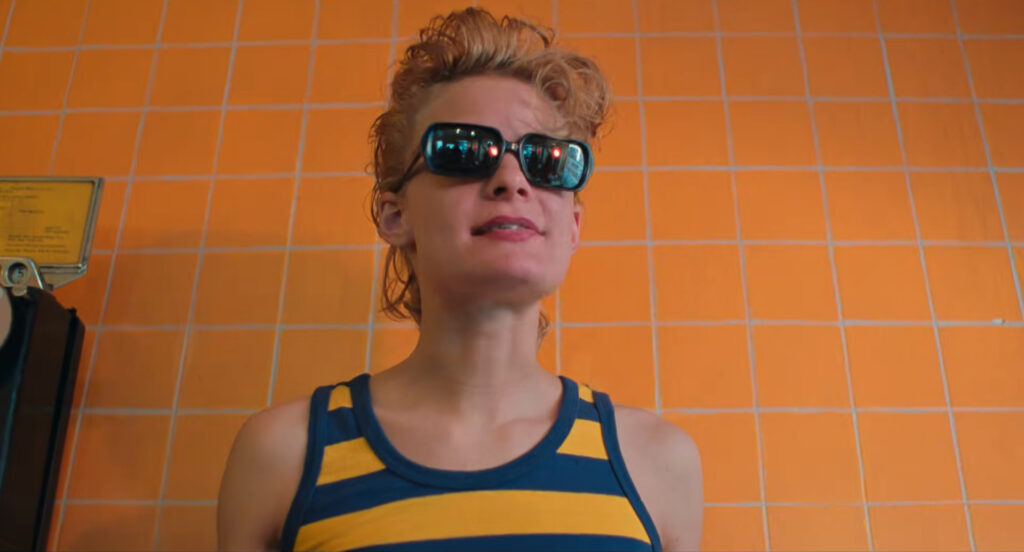
The film starts with Solanas’s brutal background—poverty, homelessness, sexual abuse—then follows her move to New York and her encounter with Warhol. When she steps into the legendary Factory, she’s both thrilled and deeply alienated. Slowly she unravels under the constant feeling of not being taken seriously, her work being ignored, and systematic rejection. At this point, I really feel for her.
Harron doesn’t portray her as either pure victim or crazy maniac; she shows a complex woman where intelligence, rage, and fragility are all tangled together—which is exactly who Solanas was. Lili Taylor delivers one of the best female performances I’ve ever seen as Valerie, and Jared Harris is phenomenal as Warhol—capturing that same unhinged energy perfectly.
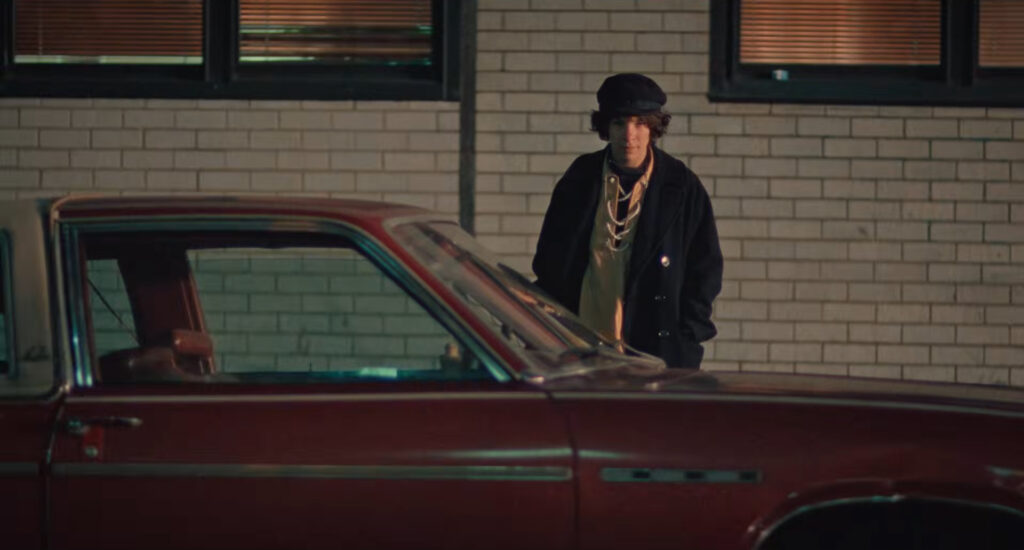
Sure, the low budget sometimes makes it look like a cheap ’70s porno and pulls you out of the atmosphere with its artificial moments, but for someone obsessed with this story like me, those flaws don’t ruin it. My other issue is how the film keeps Solanas in this nuanced, complicated space throughout… and then suddenly heroifies her at the very end. The final text on screen says: “Valerie Solanas died alone in a welfare hotel room in San Francisco in 1988. The SCUM Manifesto became a radical feminist classic.” I don’t buy that, and apparently neither does the director.
Years later Mary Harron said: “I didn’t want that last line. I wanted the film to end completely deadpan just ‘Valerie Solanas died alone in a welfare hotel in San Francisco in 1988.’ But the young women at Killer Films wanted a more positive closing. I regret accepting that line because it turns the film into a political manifesto. I wanted it to stay non-judgmental and leave the judgment to the audience. That last sentence doesn’t fit the spirit of the film. I wish I’d said no.”
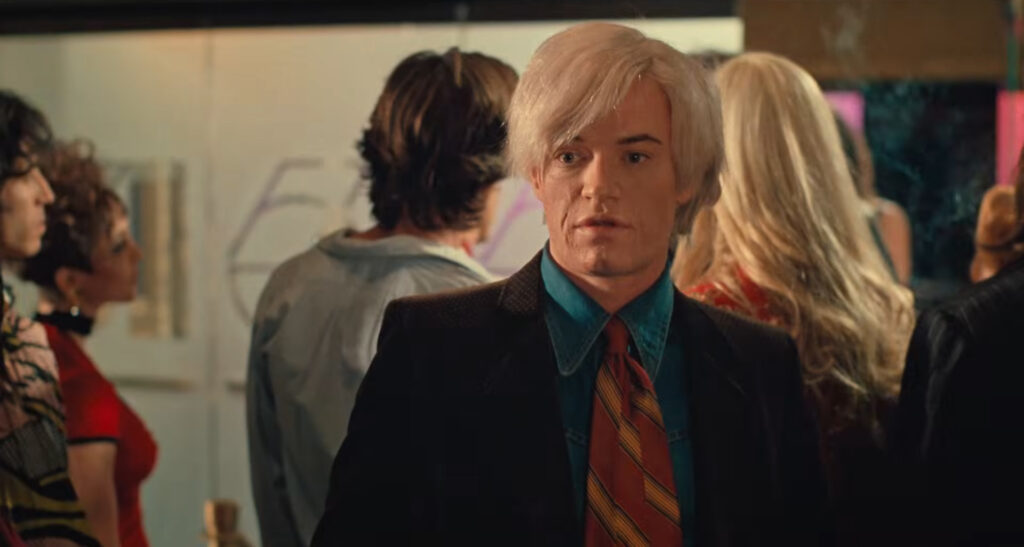
I totally get her. The SCUM Manifesto isn’t a feminist classic, and it’s barely even a contribution to feminist literature. What makes it one of the 20th century’s most powerful texts for me is how brilliantly it channels raw anger. It’s the diary of an enraged woman, and she turned that fury into something electric. If she’d been able to hide the rage a little and look at things more objectively, it could have been a real feminist manifesto—because Solanas actually had sharp insights into how patriarchy and capitalism feed off each other.
That line—“Life in this society being, at best, an utter bore and no aspect of society being at all relevant to women, there remains to civic-minded, responsible, thrill-seeking females only to overthrow the government, eliminate the money system, institute complete automation and destroy the male sex”—nails the interdependence of patriarchy and capital. But her justified rage toward men stopped her from being objective. She offers brilliant analysis and then lands on “let’s eliminate the male sex” as the solution.
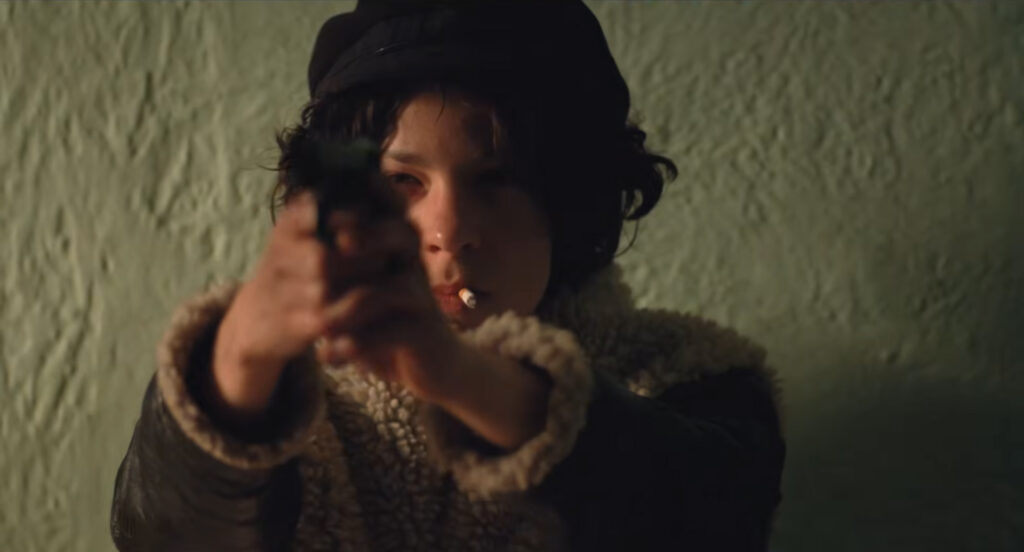
I criticize that not because I’m a man (I’ve actually agreed with most of her ideas as a man), but because there’s no real solution there. That’s why calling it a feminist classic is ridiculous. Still, I don’t blame her. She wrote it while basically homeless, surviving through prostitution or begging. That’s why the core of the manifesto is pure rage. The fact that she produced this under those conditions feels almost poetic. That’s the main reason I love her.
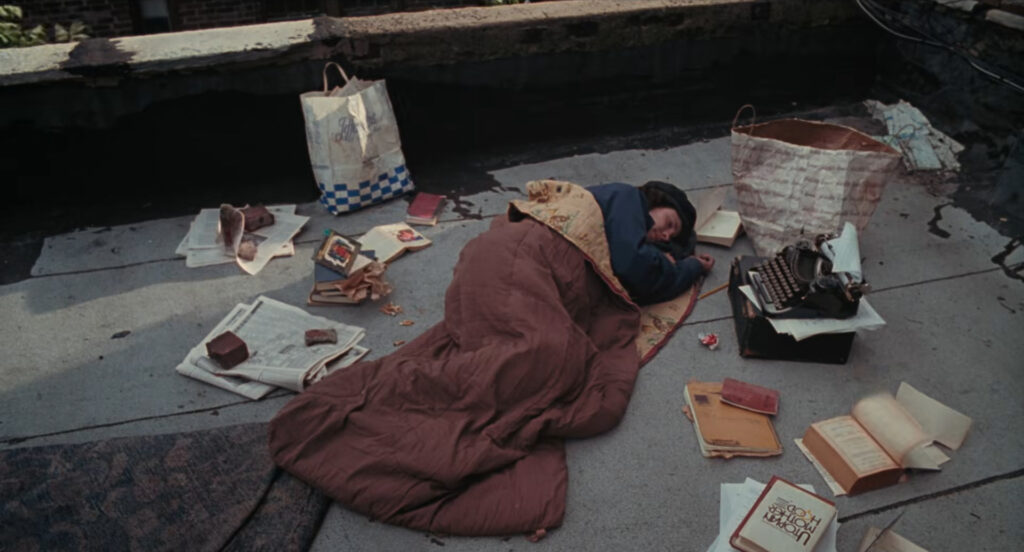
Anyway, I’ll stop here. After years of watching terrible YouTube rips and shady website streams, I Shot Andy Warhol is finally back in theaters in 4K for its 30th anniversary (Though it seems limited to a few cities in the US). So, American friends: maybe skip Disclosure Day (the Spielberg-Trump-UFO movie with the massive marketing campaign) and give this one a shot?
That concludes our review of I Shot Andy Warhol
Did you enjoy the article? Let us know in the comments down below!
For more episodes of More Movies Weekly as well as our other shows and podcasts, be sure to check out the Podcasts page on our website.
Remember, you can have a choice of what films we review on our Weekly podcast by joining us on Patreon here.
Please join us on social media on Bluesky, Instagram and Facebook. We really appreciate all the likes, shares, retweets etc., and we would love to hear from you and continue chatting about all things cinema on these platforms.
If you love to watch videos on YouTube, then please subscribe to our channel here. There’s lots of fun and informative videos uploaded that we hope you will enjoy!
We have a passion for movies and aim to produce entertaining and informative movie-related content. It certainly is a lot of hard work, but we love films so much that it’s worth all the effort. We have to keep the lights on and make sure we have plenty of caffeine to keep all of the articles, videos and social media posts coming, so if you like our work, then please consider supporting us at Buy Me A Coffee here. You can also become a More Movies patron on Patreon here.
To help support us here at More Movies, we do use advertising in a few places and we try our best to make sure they are not intrusive or aggressive, so we appreciate it if you do not use AdBlockers on our site. Who knows, you may actually see something you like!
We are also affiliated with Funky T-shirts so be sure to check out their range of cool t-shirts which include categories Film & TV, Slogans and Retro Comics!