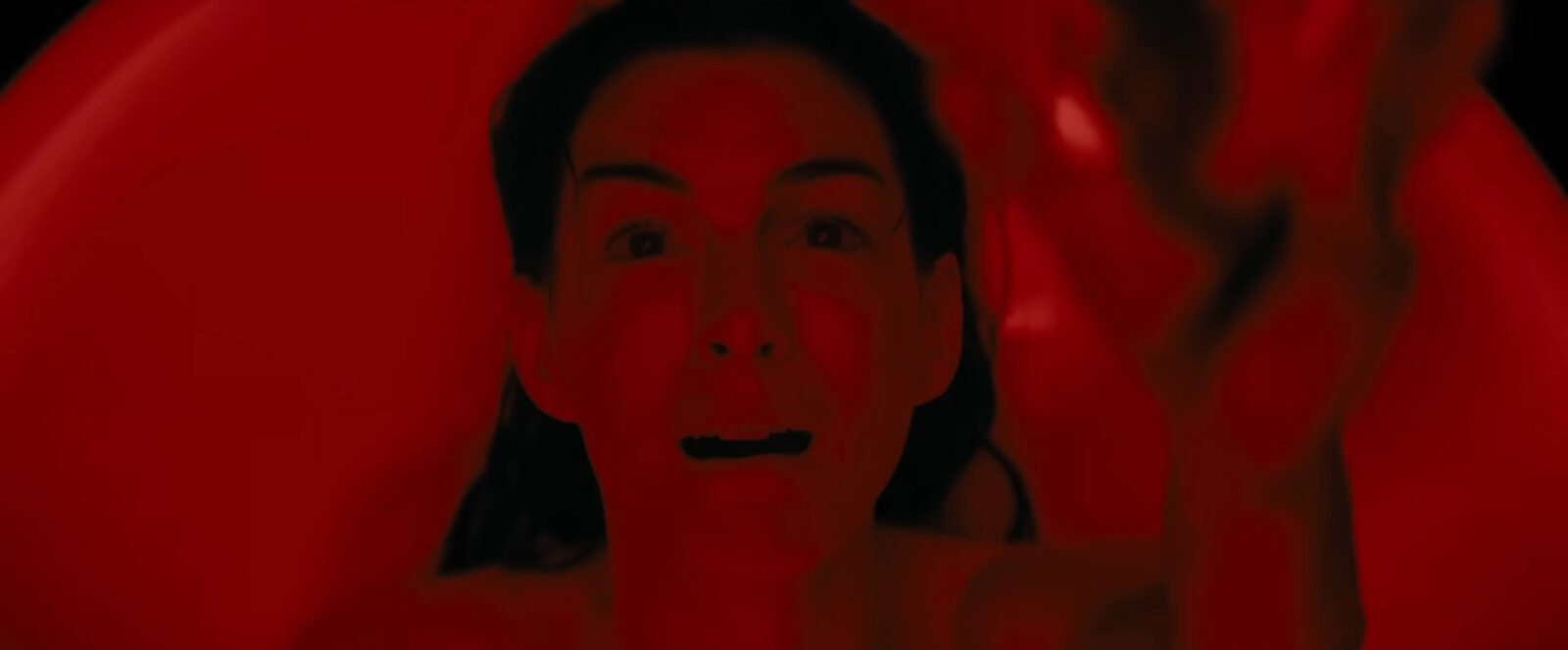

David Lowery’s latest movie follows a pop icon reconnecting with the uncredited artist responsible for creating her stage persona, blending performance, pain, and a strange exorcism-like metaphor in order to explore how shared trauma manifests into art.
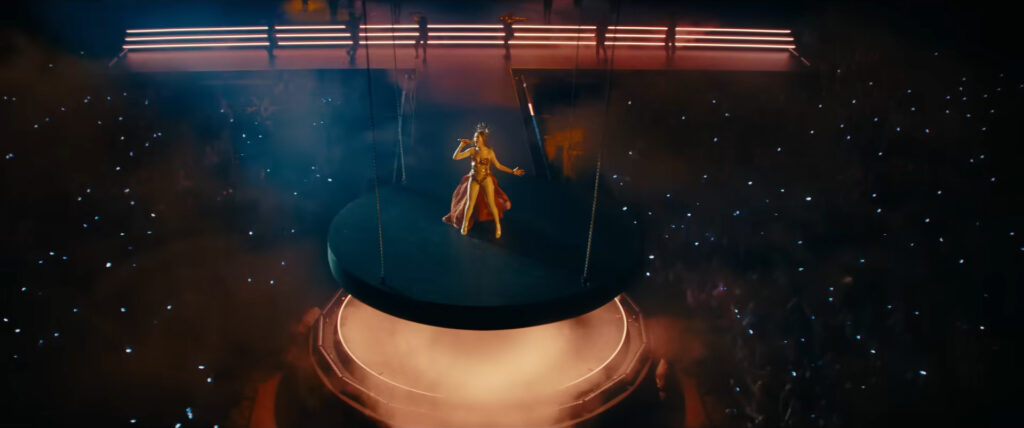
Directed by Lowery—the visionary filmmaker behind A Ghost Story (2017), The Green Knight (2021), and the not so-popular but personally loved Disney film Pete’s Dragon (2016)—Mother Mary (2026) is an intense spiritual/psychological drama that begins with a crisis experienced by the iconic pop star Mother Mary, played by Anne Hathaway, after a stage accident.
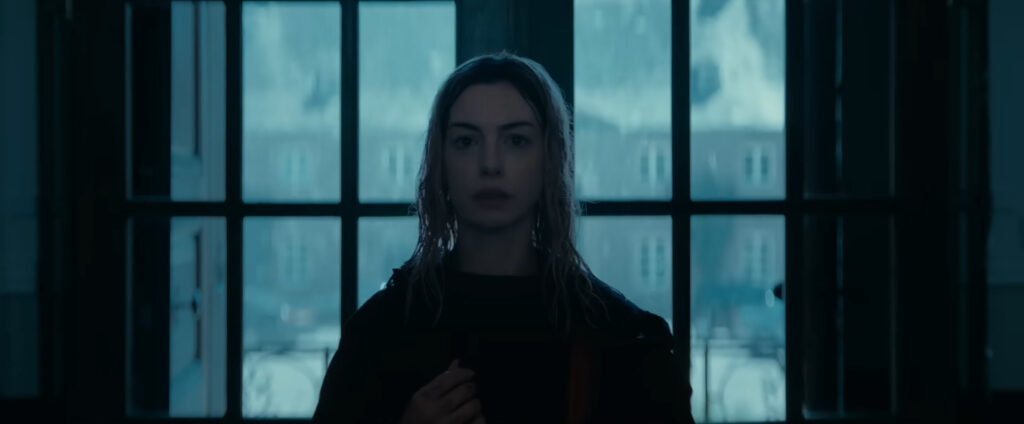
I had intended to watch the film as part of the Istanbul Film Festival, but ended up missing the screening as a victim of Istanbul’s infamous traffic. Then today, when I finally got to see it, either the projection or the computer broke down, and all that appeared on the screen was an unlicensed Windows 7 desktop. We had to leave the theater, and with the same tickets, enter the next screening. I’m telling you this so you can see what kind of ordeal I had to go through just to watch this movie.
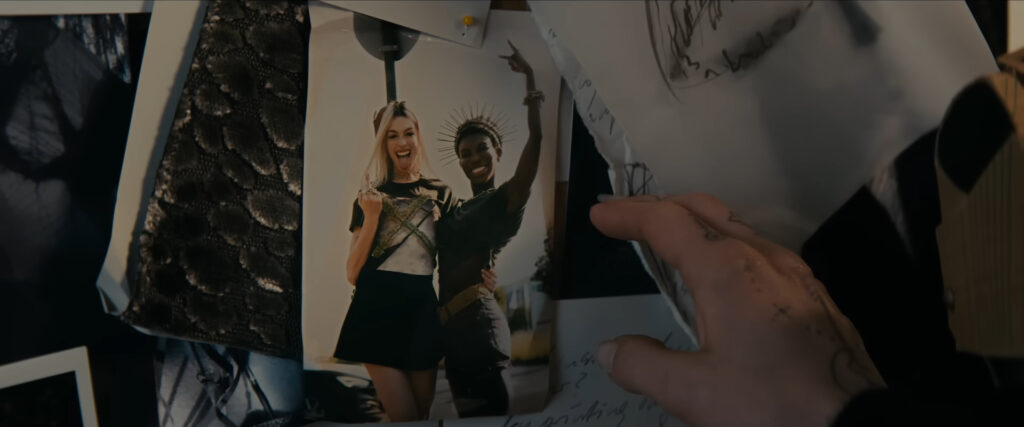
A film called Mother Mary—which, in reality, has no spiritual connection beyond the main character’s stage name and her religiously themed costumes, yet still includes exorcism elements—is already a strange and complex thing (in a good way). Fittingly, I encountered a similar level of strangeness just trying to watch it. Even after seeing the film, the fact that the name “Mother Mary” seems to rely only on aesthetic choices like costumes and a stage persona didn’t fully convince me.
Still, a few possible reasons come to mind: the idea of an A24 horror film called Mother Mary sounds undeniably appealing, or maybe it’s a deliberate choice to provoke some Christians—which it does quite successfully—and to get people talking about the film. But, in my opinion, if you’re going to choose such a loaded title, you should at least build something stronger behind it.
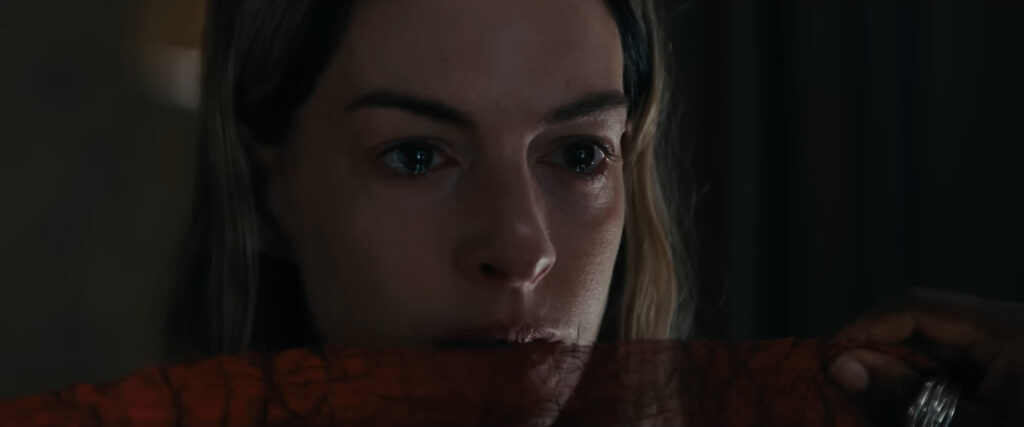
Before her big comeback show, Mary goes to the studio of her former friend Sam, played by Michaela Coel, the artist who originally gave her the “Mother Mary” persona but was never credited for it, which is why they’ve fallen out. She asks her to design a new costume. This is Coel’s second “artist angry because she was wronged” role this year. She was also great in The Christophers, where she starred alongside Ian McKellen.
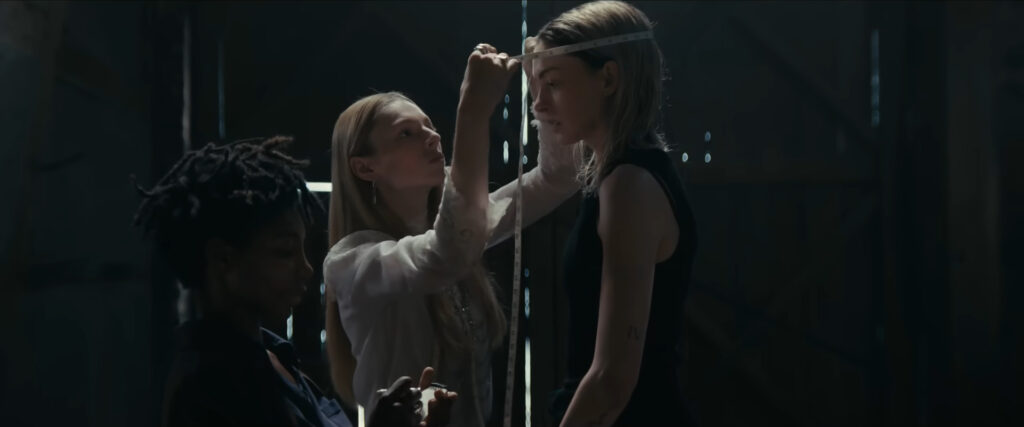
Sam agrees to make the costume. During the process, Mary talks about her new song and shows its choreography to Sam. This was one of the most striking moments of the film for me, because the physical difficulty of being a stage performer is shown in a very raw and direct way in this scene. Mary struggles, she’s in pain, and she collapses to the ground.
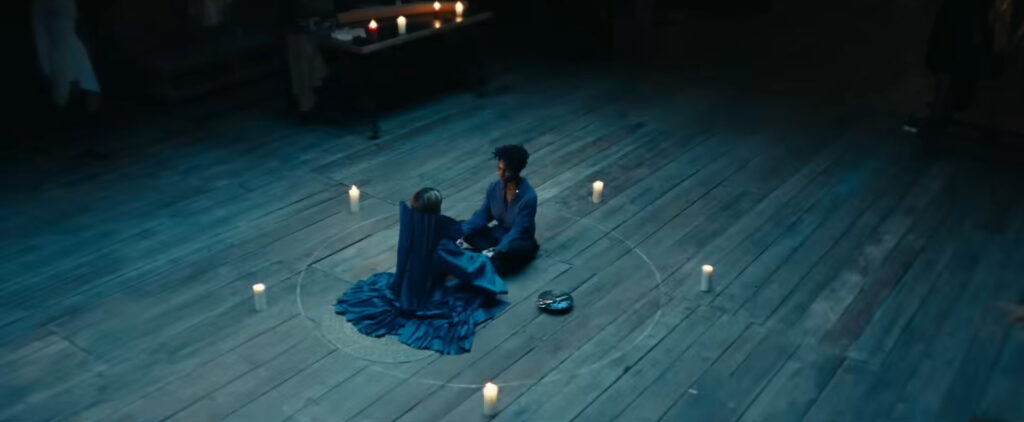
The spiritual side of the film works entirely as a metaphor for the traumatic relationship between these two. A spirit comes out of Sam, enters Mary, and then exits again as a red fabric—and eventually Mary wears this as a costume on stage. In other words, a work of art born out of the shared trauma of two people who cannot forgive one another. What a poetic way to approach such a subject.
It inevitably brings to mind Carrie Fisher’s line: “take your broken heart, make it into art.” Honestly, instead of a horror film filled with demons chasing people and loud jump scares, this approach grounding everything in real trauma and expressing it through possession and exorcism—feels much more effective. It unsettles you just as much, if not more. Because what’s at stake isn’t invisible spirits, but very real trauma.
In terms of telling the story of a musician, the film sits somewhere between Black Swan (2010) and A Star Is Born (2018). In its treatment of creativity, pain, and emotional wounds, it made me feel something similar to what I felt while watching Nocturnal Animals (2016). In that film, the ex-husband sends a violent novel as a form of psychological revenge through the past. In Mother Mary, Sam’s anger toward Mary similarly transforms into a kind of “confrontation through creation” via the red ghost metaphor and the costume/ritual process. It might sound a bit forced, but that’s genuinely how it felt to me.
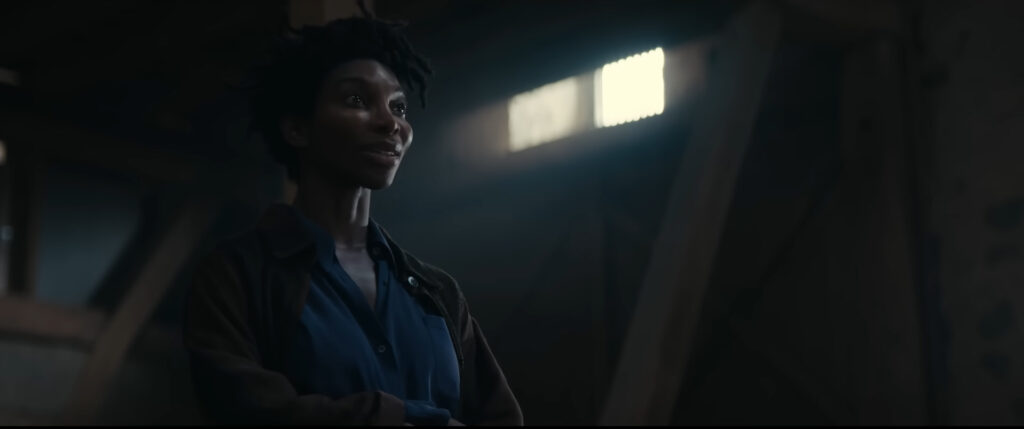
The exorcism aspect of the film, unlike classics such as The Exorcist (1973), has its own distinct originality. All of these possession and expulsion elements function as strong metaphors that serve the film’s core idea.
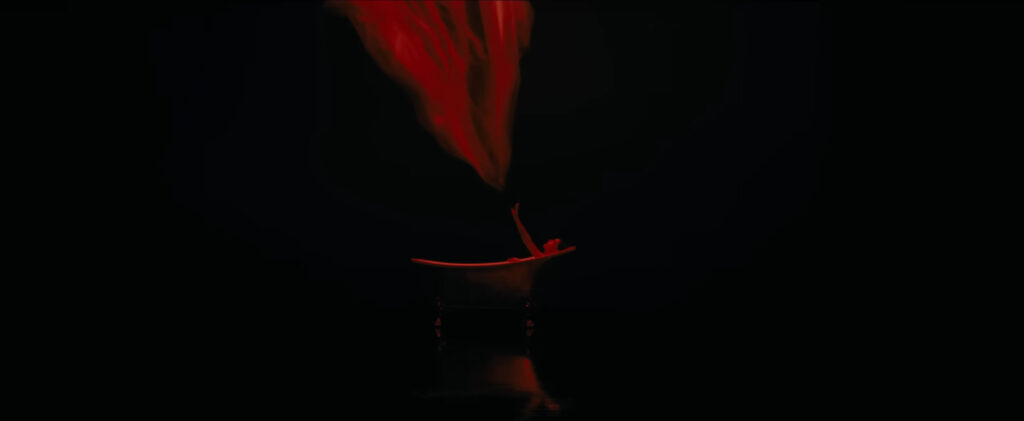
One of the most striking works I’ve seen in a long time. And even though Anne Hathaway kept pushing me out of the film with what I can only describe as a poor performance—except for the dance scene, which worked more as a physical performance than an emotional one—Michaela Coel pulled me back in every single time.
That concludes our review of Mother Mary
Did you enjoy the article? Let us know in the comments down below!
For more episodes of More Movies Weekly as well as our other shows and podcasts, be sure to check out the Podcasts page on our website.
Remember, you can have a choice of what films we review on our Weekly podcast by joining us on Patreon here.
Please join us on social media on Bluesky, Instagram and Facebook. We really appreciate all the likes, shares, retweets etc., and we would love to hear from you and continue chatting about all things cinema on these platforms.
If you love to watch videos on YouTube, then please subscribe to our channel here. There’s lots of fun and informative videos uploaded that we hope you will enjoy!
We have a passion for movies and aim to produce entertaining and informative movie-related content. It certainly is a lot of hard work, but we love films so much that it’s worth all the effort. We have to keep the lights on and make sure we have plenty of caffeine to keep all of the articles, videos and social media posts coming, so if you like our work, then please consider supporting us at Buy Me A Coffee here. You can also become a More Movies patron on Patreon here.
To help support us here at More Movies, we do use advertising in a few places and we try our best to make sure they are not intrusive or aggressive, so we appreciate it if you do not use AdBlockers on our site. Who knows, you may actually see something you like!
We are also affiliated with Funky T-shirts so be sure to check out their range of cool t-shirts which include categories Film & TV, Slogans and Retro Comics!