


In this article we take a look at the 2024 film The Apprentice which examines the early life and blossoming career of Donald Trump. In the video below Greg and Dave discuss the movie in an excerpt from the More Movies Podcast. Further down, Deniz Arslan shares his thoughts in a written review…
Ali Abbasi’s The Apprentice (2024), written by journalist Gabriel Sherman in his screenwriting debut, sets out to dissect how Donald Trump’s mind works. Yet in doing so, it seems unaware of how unnecessarily it elevates him. At times, this elevation even feels like a deliberate choice.
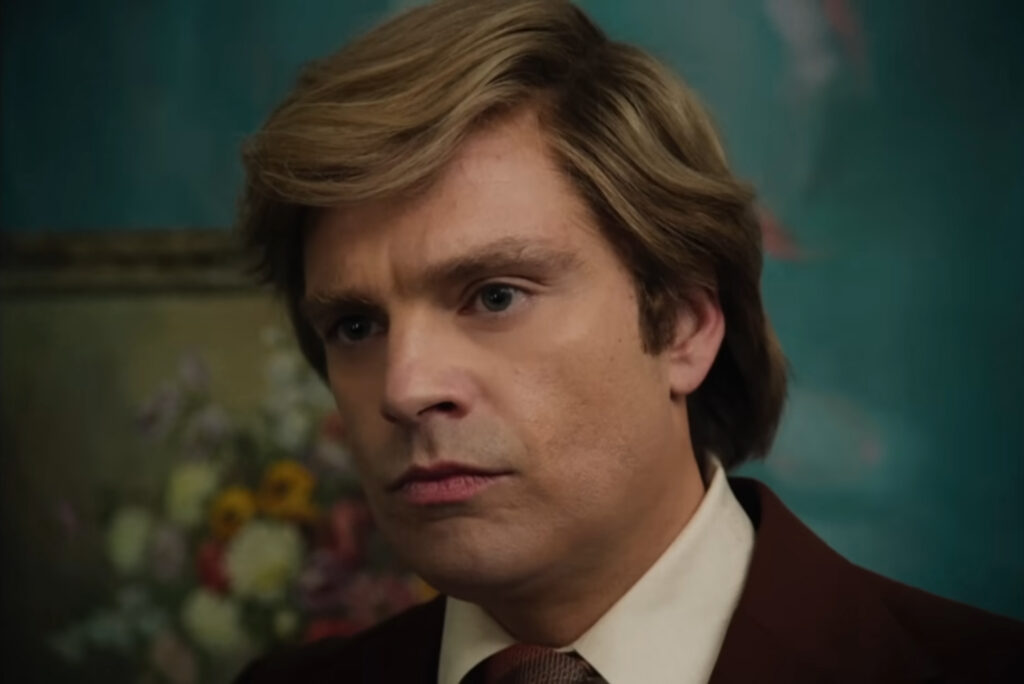
The film repeatedly exposes us to Trump’s familiar traits — greedy, aggressive, and brazen. “Attack, attack, attack. Admit nothing, deny everything. Declare victory, never accept defeat.” These strategies are presented over and over again, but their moral implications are barely interrogated. They are framed almost as if they were merely “effective techniques.” That is a serious problem.
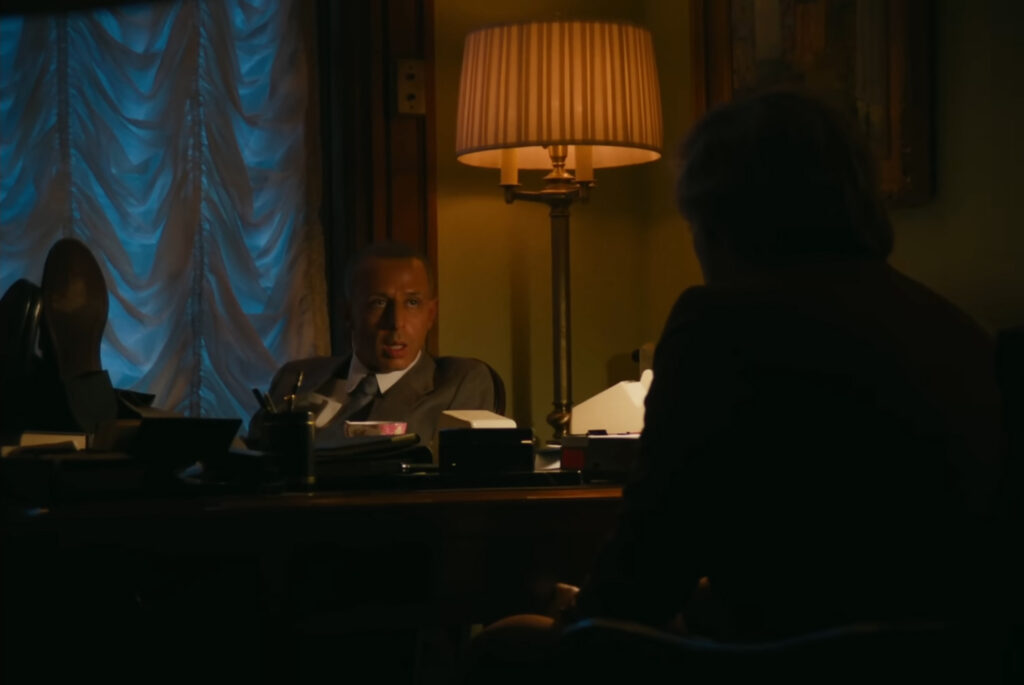
At certain moments, the dramatization becomes so forceful that you begin to perceive Trump as a kind of mad genius. This is a dangerous threshold, because the film makes no real effort to dismantle that perception. On the contrary, it feeds it. Does understanding Trump’s psyche truly require such a polished, inflated dramatisation? I’m not convinced. If you want a sharper insight into how his mind operates, you’re better off watching Saturday Night Live’s “Trump Sneakers” sketch. Ironically, it lands closer to the truth. Comedy has always been the sharpest tool for exposing flawed personalities. Dramatization, by contrast, inevitably produces empathy.
Watching Downfall, didn’t you, even for a fleeting moment, find yourself hoping that Adolf Hitler might escape his predicament? This film falls into the very same trap. It compels you to empathize with Trump. It asks you to suspend, for two hours, the sheer repulsiveness of who he is. More than that, it demands that we understand the “reasons” behind his immoral actions — inviting us into his inner world, even nudging us toward a degree of sympathy. And it does all this while claiming to be a “critical film.” This contradiction is never resolved.
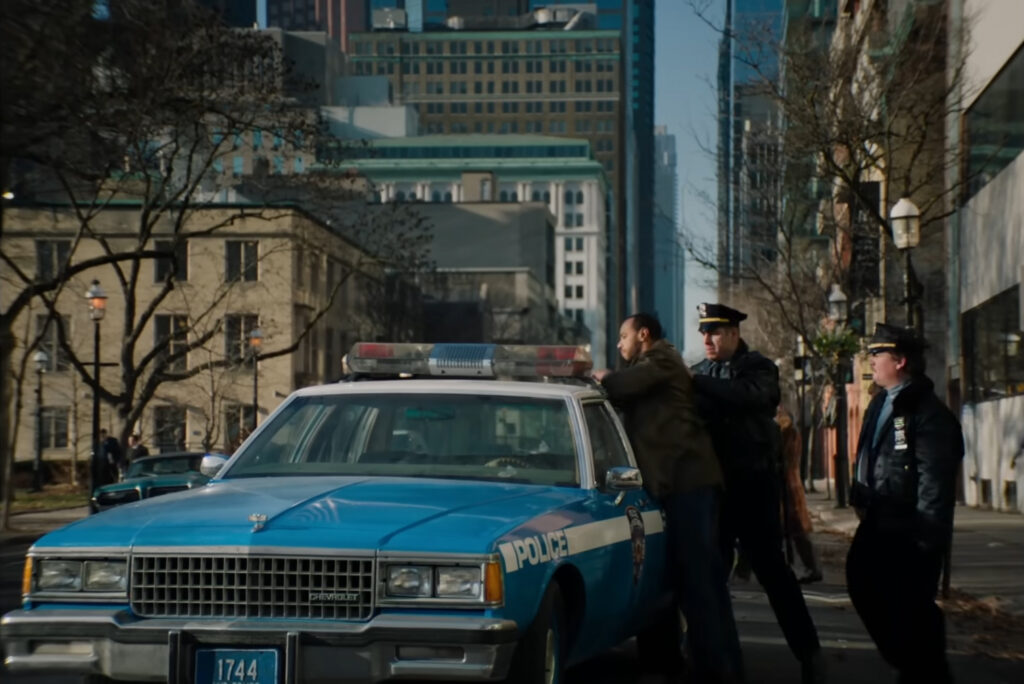
What we have here is not a deeply complex character study, but rather a fairly ordinary mercantile personality. Instead of probing an individual’s loneliness, the film could have more rigorously examined the type of personality produced by capitalism itself.
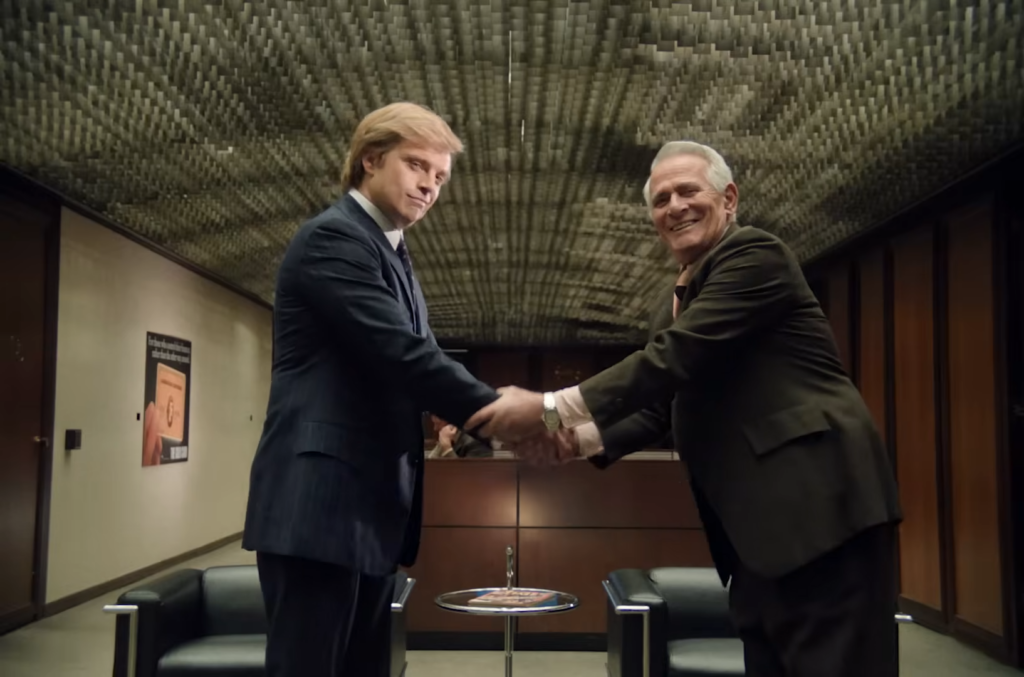
This is precisely why I have always been skeptical of non-documentary portrayals of historical figures. Dramatization easily undermines any claim to neutrality. Control slips away. Distance dissolves. Aesthetic takes over. The film tries to convince us that it is fully aware of what it is doing. Yet that golden, artificial sheen obscures the lessons this modern Frankenstein story ought to deliver. By the end, almost without noticing, you find yourself approaching something like affection for the protagonist. That is the film’s breaking point. And, of course, it doesn’t help that Sebastian Stan is inherently difficult to dislike — the film knows this and exploits it.
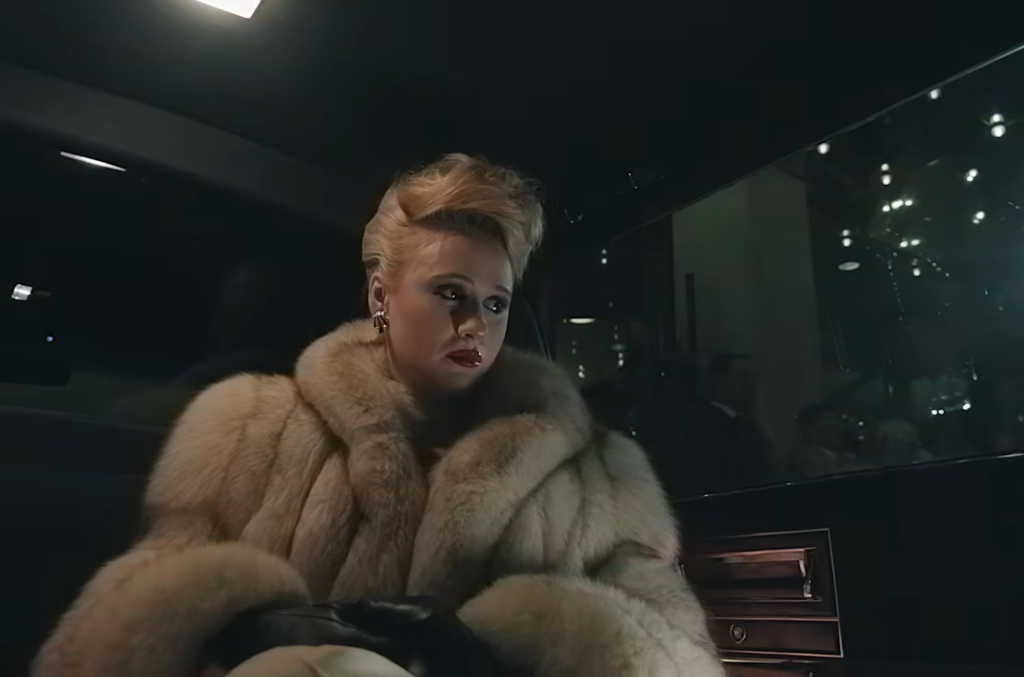
Spanning the years from 1973 to 1986, the narrative follows Trump from being his father’s diminished son to his encounter with Roy Cohn in an elite New York club. This is where the film truly finds its shape. Cohn teaches him the rules of “winning”: how to evade lawsuits, manipulate the media, and overpower politicians. In short, the foundations of the vulgar, populist rhetoric we see today are laid out here. The contempt for journalists — so visible in contemporary debates — emerges from this period.
The construction of Trump Tower, his marriage to Ivana — including that deeply disturbing assault scene — his Atlantic City ambitions, and his rivalry with his father all follow. And when Cohn falls ill and is cast aside, we witness the student surpass the master, transforming into something even more monstrous. This evolution is one of the film’s clearest and most unsettling elements.
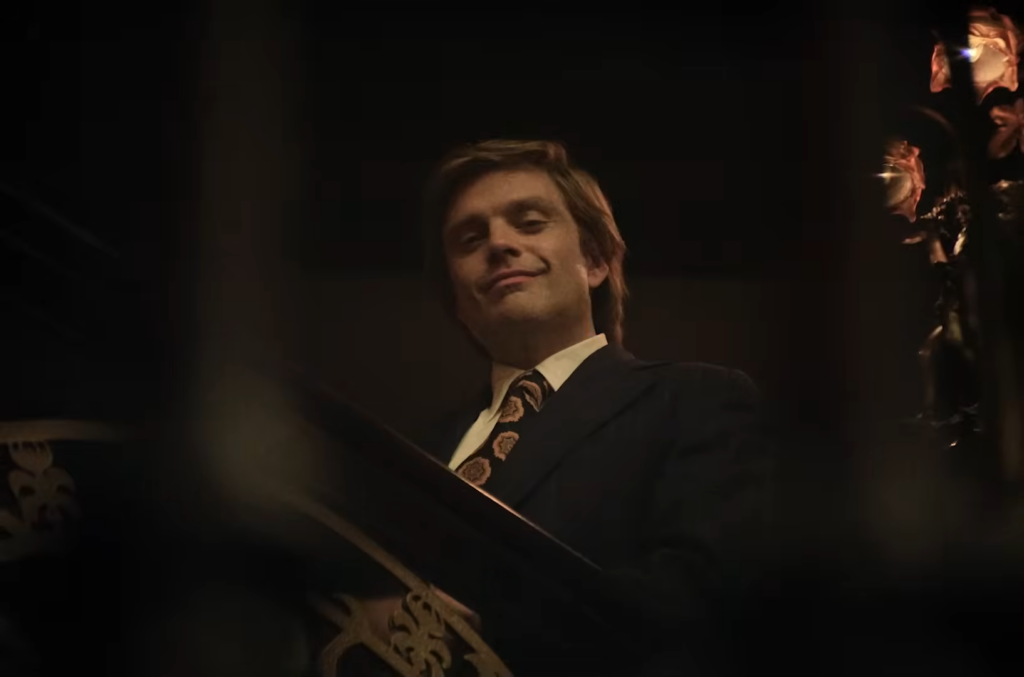
But the real danger of the film lies elsewhere: in the seduction of its narrative.
The language it constructs is so compelling that, particularly for younger viewers, the possibility of this character becoming a role model is not negligible. That is a genuine risk. Contemporary masculinity already fetishizes the idea of “winning.” Cinema is aware of this — and exploits it. Every decade, it refreshes itself and successfully offers each generation a new narcissistic, misogynistic, racist “hero.”
At one point, this figure was Patrick Bateman in American Psycho. Then it became Jordan Belfort in The Wolf of Wall Street. Film history is full of such characters.
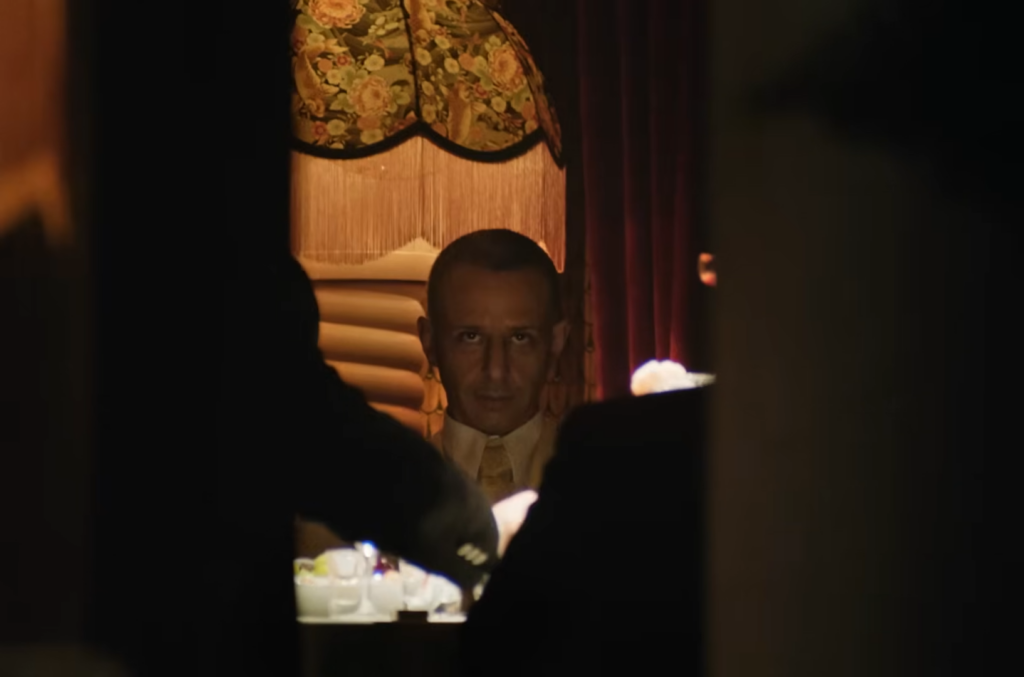
But this time, there is a crucial difference: this is not fiction. This is a living, real figure who still holds power. That multiplies the film’s responsibility. Yet the film fails to carry that weight. It pretends to criticize Trump, but does so in such a subdued and indirect way that what remains on the surface is not critique, but fascination. What lingers is merely an aestheticised version of a “glittering” life.
And the average young viewer, more likely than not, does not walk away with a lesson — only with a new poster figure to hang on their wall.
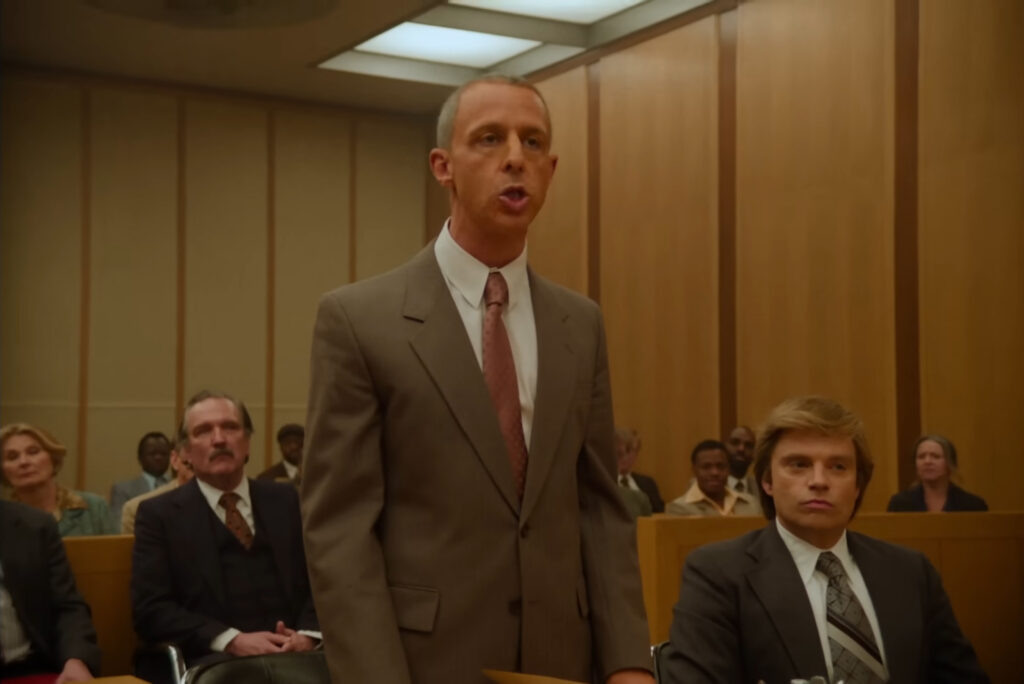
Setting these narrative flaws aside, the film’s visual dimension is undeniably “delicious” — at times even mesmerizing. Under the cinematography of Kasper Tuxen, the film gleams. You can sense echoes of his work in The Worst Person in the World, but the real distinction lies in formal choice. Unlike many contemporary period films, The Apprentice adopts a 4:3 aspect ratio. This is a significant decision: it deliberately confines the viewer within a narrow frame, creating a kind of visual claustrophobia.
Combined with the heavy use of shaky cam, the result is an image that feels distinctly “dirty,” deeply unsettling. The camera never settles — and neither do you. This aesthetic also evokes archival news footage of the era. At times, it feels less like watching a film and more like uncovering a recovered record. And that is, without question, one of the film’s greatest strengths.
Written by Deniz Arslan. Here’s a link to the original post on Substack.
That concludes our review of The Apprentice
Did you enjoy the article? Let us know in the comments down below!
For more episodes of More Movies Weekly as well as our other shows and podcasts, be sure to check out the Podcasts page on our website.
Remember, you can have a choice of what films we review on our Weekly podcast by joining us on Patreon here.
Please join us on social media on Bluesky, Instagram and Facebook. We really appreciate all the likes, shares, retweets etc., and we would love to hear from you and continue chatting about all things cinema on these platforms.
If you love to watch videos on YouTube, then please subscribe to our channel here. There’s lots of fun and informative videos uploaded that we hope you will enjoy!
We have a passion for movies and aim to produce entertaining and informative movie-related content. It certainly is a lot of hard work, but we love films so much that it’s worth all the effort. We have to keep the lights on and make sure we have plenty of caffeine to keep all of the articles, videos and social media posts coming, so if you like our work, then please consider supporting us at Buy Me A Coffee here. You can also become a More Movies patron on Patreon here.
To help support us here at More Movies, we do use advertising in a few places and we try our best to make sure they are not intrusive or aggressive, so we appreciate it if you do not use AdBlockers on our site. Who knows, you may actually see something you like!
We are also affiliated with Funky T-shirts so be sure to check out their range of cool t-shirts which include categories Film & TV, Slogans and Retro Comics!