
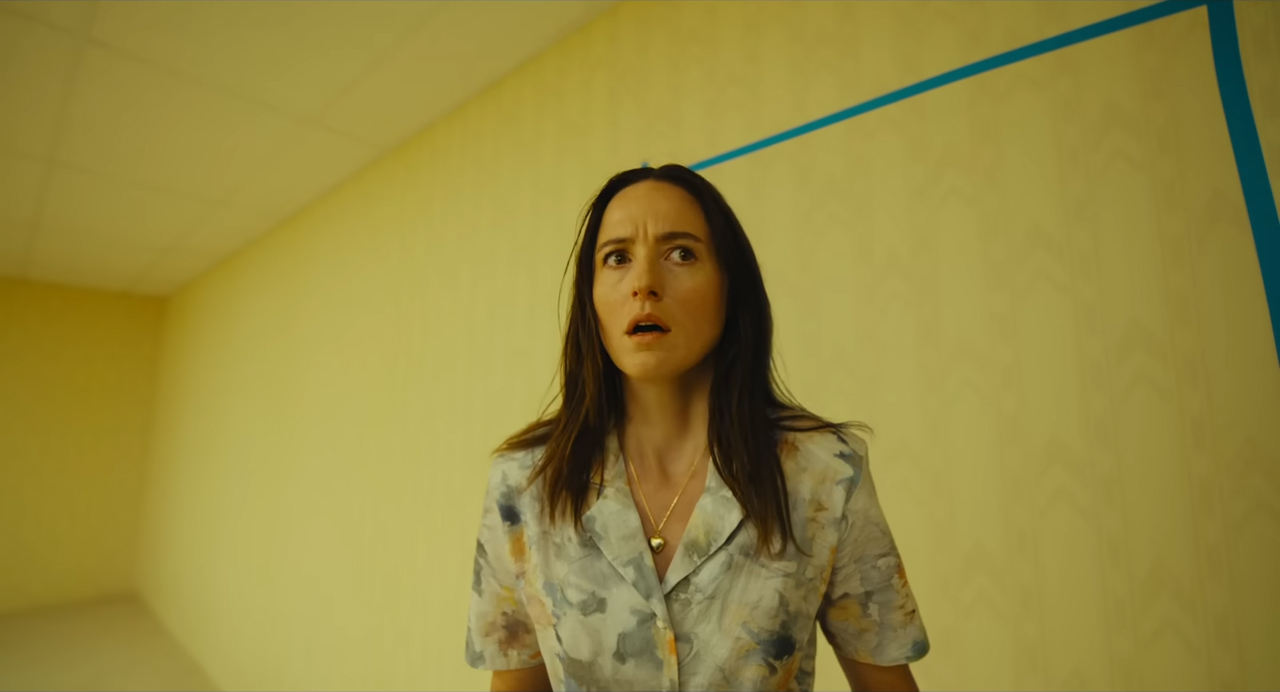

What began as a single unsettling image and evolved into a uniquely internet-born phenomenon is now a feature-length horror film, and despite its technical strengths, I never shook the feeling that Backrooms (2026) was more interesting as an idea than as a movie.
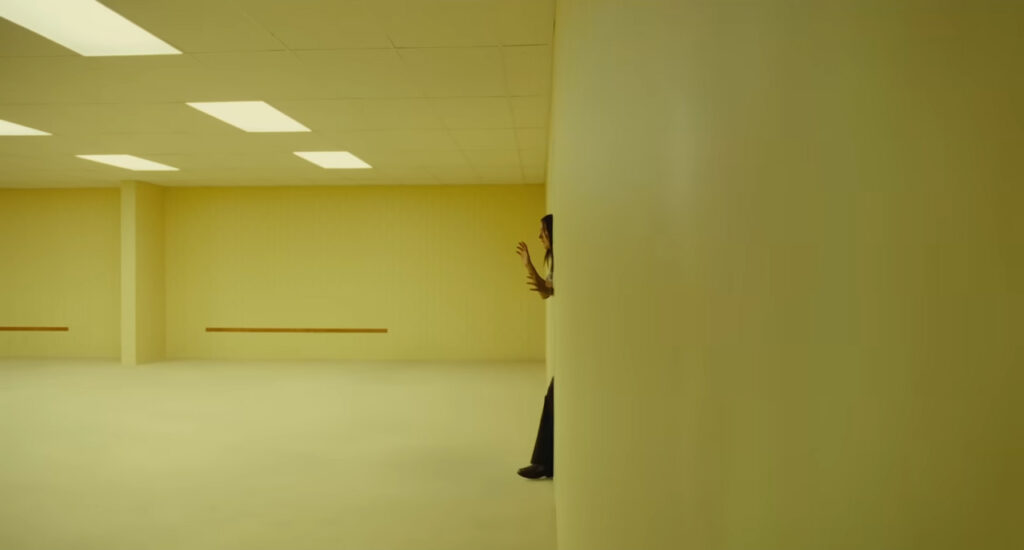
In 2019, an image posted by an anonymous user on the forum 4chan created an unexpected sense of unease among people online. The image itself was completely ordinary—a snapshot taken during the renovation of an old furniture store. Yet the walls, floor, and ceiling were all covered in the same suffocating shade of yellow, and that was enough to ignite the internet’s collective imagination.
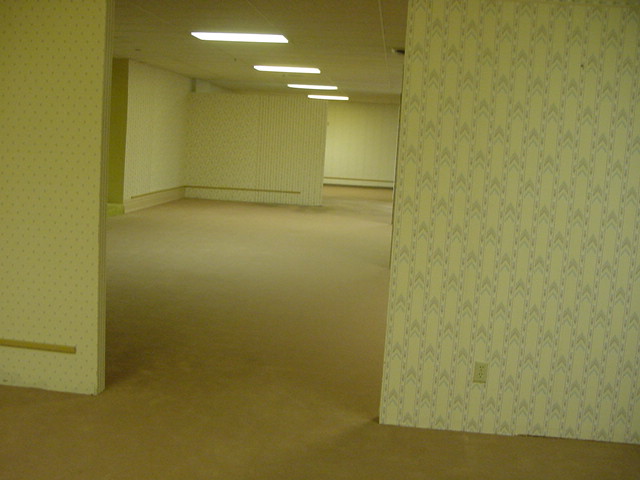
Before long, people began asking, “What if this is a labyrinth where people become trapped forever?” Soon came the monsters, the stories, and the theories. That’s one of the things I’ve always loved most about the internet. Someone throws out an idea, someone else transforms it, and then another person takes that new idea somewhere entirely different. A constantly expanding chain of creativity emerges.
Maybe that’s why I never saw Backrooms as a great horror narrative in itself. What interested me was the collective creativity that formed around a single photograph. More than Backrooms itself, it was the internet culture that grew around it. This time, however, the phenomenon didn’t remain just another piece of internet folklore. It eventually became a horror film financed by A24.
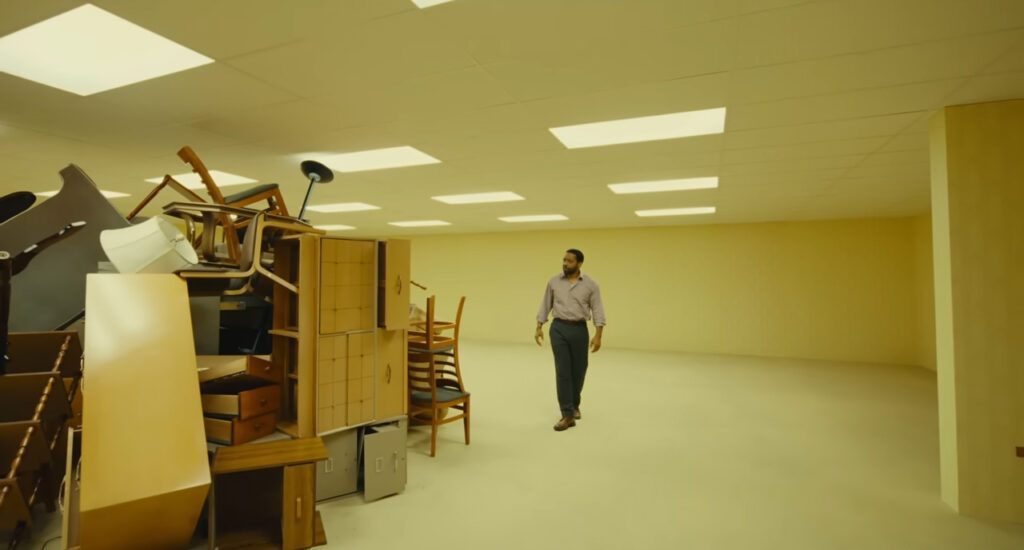
A24’s contribution to supporting the creative and collaborative side of cinema is undeniable. They made an even riskier decision by entrusting the project to Kane Parsons, who is only twenty years old. This was no coincidence. Four years ago, Parsons reached millions of viewers with his nine-minute found-footage short film The Backrooms, which he uploaded to YouTube. When you stop and think about it, it still sounds bizarre: a twenty-year-old directing a feature film starring Chiwetel Ejiofor. I was trying to remember what I did when I was twenty… I think I was just hanging around and doing nothing.
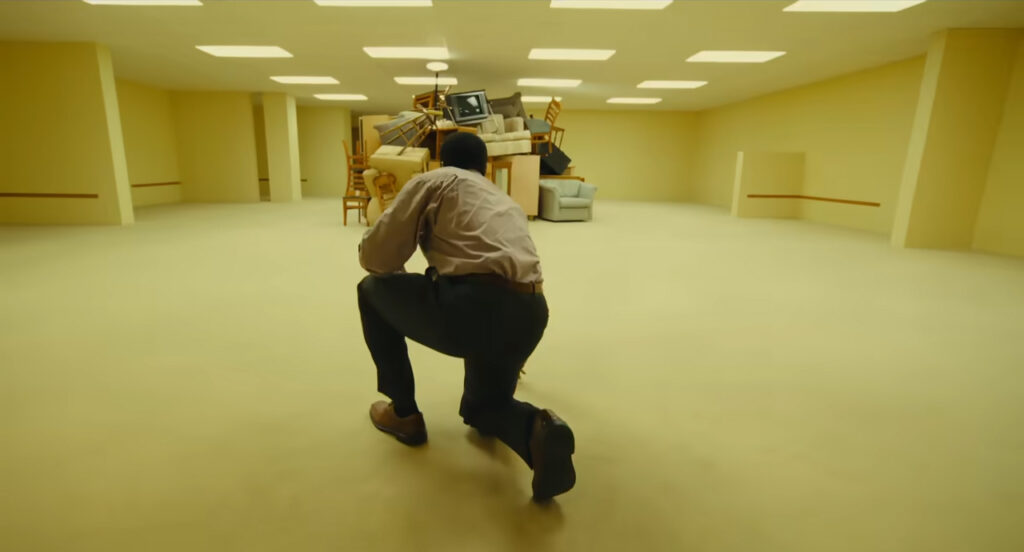
The film begins with the story of Clark, a middle-aged man whose life has gradually fallen apart. A former architect, he has hit rock bottom both financially and emotionally following a divorce. He now lives inside the small, failing furniture store that he owns. One night, while wandering through the basement among old furniture and discarded items, he notices a strange crack in the wall. Curious, he reaches toward it, only for his hand to pass straight through. Moments later, he finds himself inside the Backrooms—a seemingly endless maze of yellow rooms.
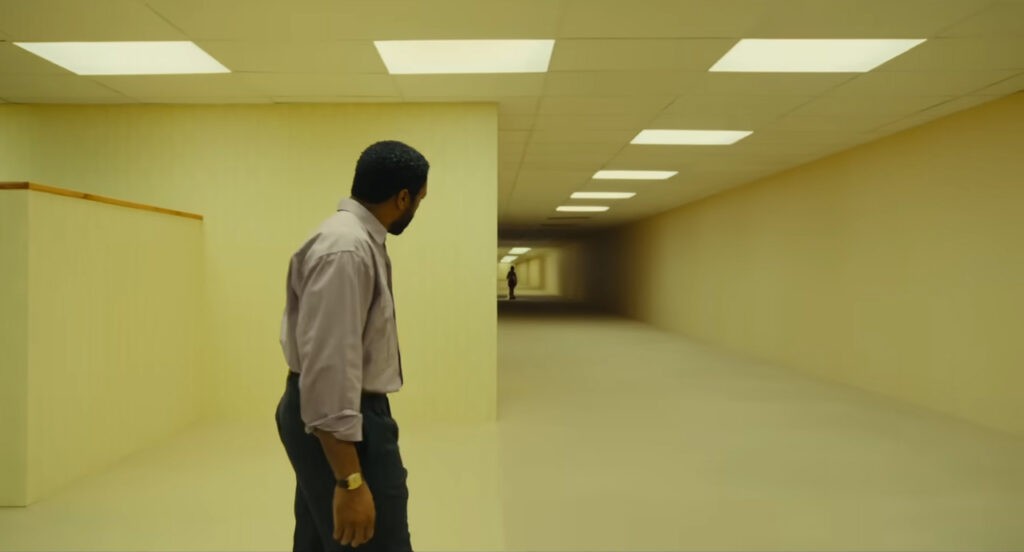
To be honest—and I can’t prove this—I more or less predicted that this would be the film’s premise when it was first announced. As far as I could tell, what people wanted to see was a character trapped in an endless cycle of rooms, drifting from one space to another, while finally witnessing a creepypasta they had read years ago brought to life on the big screen.
In my recent review of Obsession, I talked about the difference between filmmakers who come up through the traditional Hollywood system and those who emerge from platforms like YouTube before entering the industry. Curry Barker, the director of Obsession, proved capable of making that transition successfully. I’m not sure I can say the same about Parsons and Backrooms.
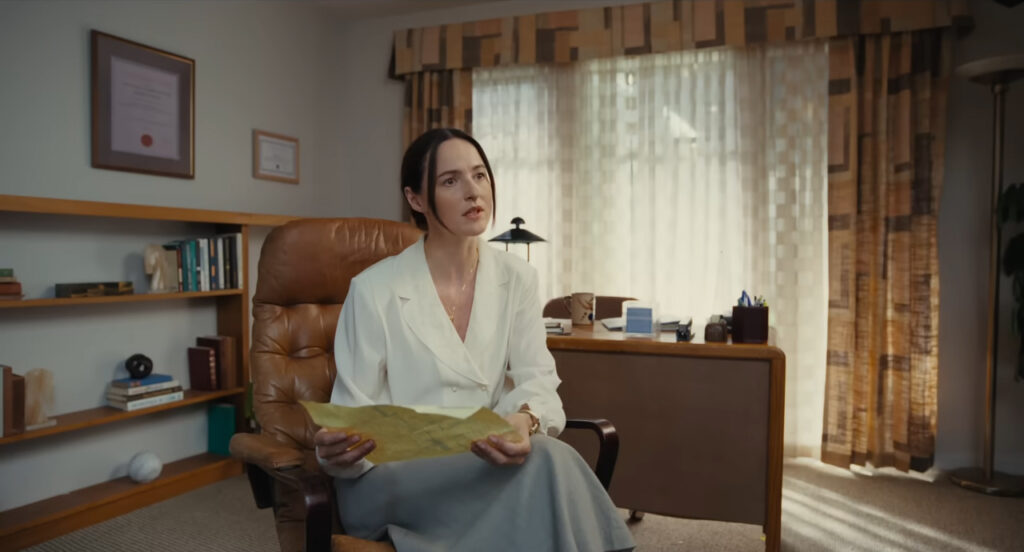
As much as storytelling is the thing I value most in cinema, I also believe that excessive explanation can completely destroy the magic of horror. Backrooms explains itself far too much. Of course, it wouldn’t be fair to place all the blame on the director. Screenwriter Will Soodik shares a significant portion of the responsibility. Despite having previously worked on shows like Homeland and Westworld, he struggles to create the sense of tension and narrative momentum this material desperately needs.
Then again, I don’t entirely blame him either, because there was never a completed story waiting to be adapted in the first place. Backrooms didn’t originate from a character, a plot, or a dramatic conflict. It originated from a single photograph. What fascinated people for years wasn’t the image itself, but the associations it inspired.
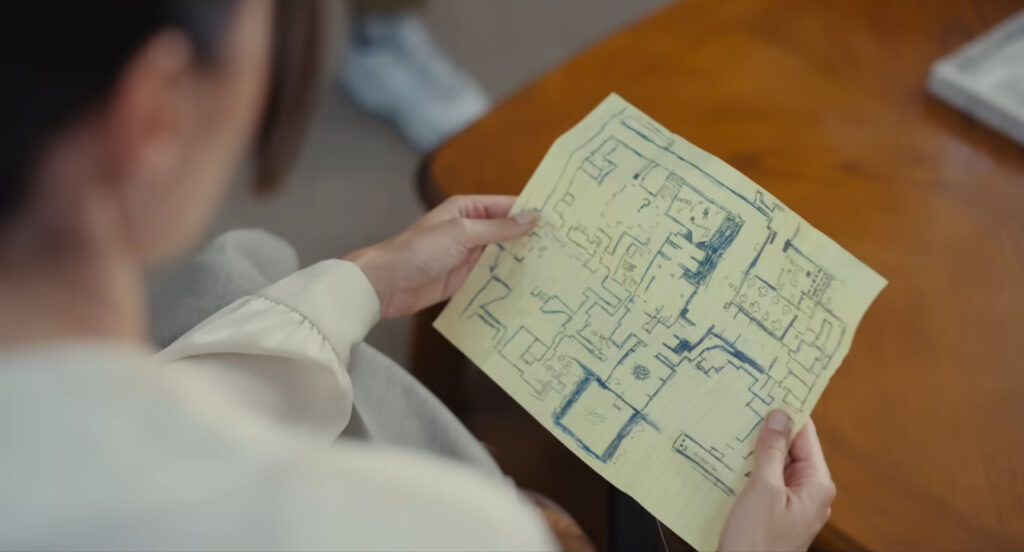
The film therefore starts from an inherently difficult position. It tries to turn something that never really existed into a story, while simultaneously attempting to satisfy years of accumulated mystery and expectation. But there was never a mystery to solve. As I’ve said, the whole Backrooms phenomenon resembles a piece of modern art that everyone interprets differently. Trying to build a definitive story out of it feels a bit like making a film adaptation of Picasso’s Guernica. It’s an absurd comparison, I know, but I think you understand what I mean.
A significant part of internet horror culture thrives on ambiguity. What disturbs people is often not what they see, but what they cannot see. That was precisely why Backrooms lingered in people’s minds for so long. Nobody knew what it was. Nobody knew why it existed. Nobody even knew whether there was anything that needed explaining in the first place. Instead of circling around that mystery, the film attempts to define and explain it.
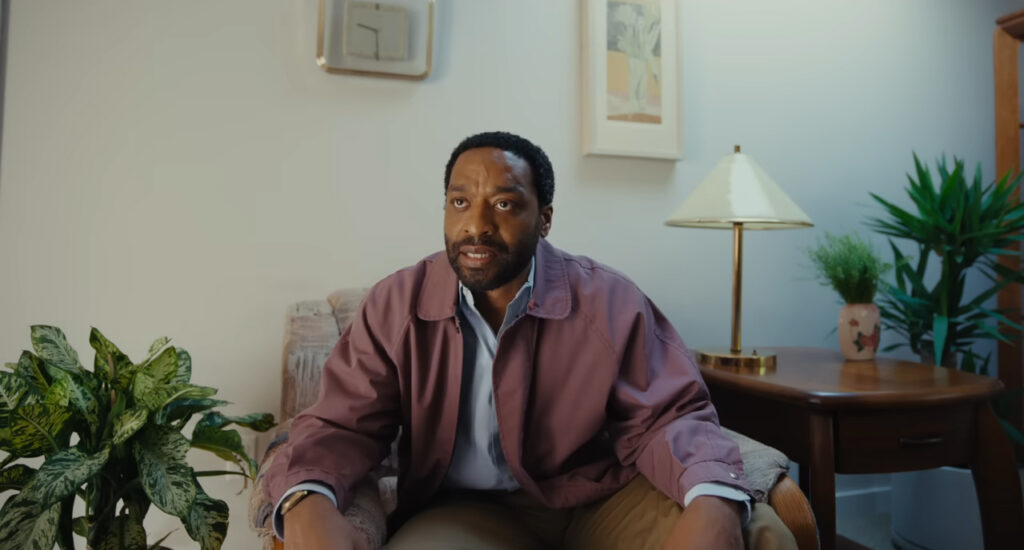
More than anything, the film reminded me of Exit 8, a recent adaptation of a video game. That film also built its entire sense of tension around a character aimlessly wandering through an endless loop inside a subway station, resulting in a surprisingly dull experience. To be fair, Backrooms is not as bad as Exit 8. Unlike that film, it does manage to establish a genuine narrative. Even so, you can feel how hard the story is working to justify its own existence in almost every scene.
But this is where my real issue with the film begins. My problem isn’t simply how the narrative is constructed. I also struggle to see the very idea of turning Backrooms into a feature film as an exciting one.
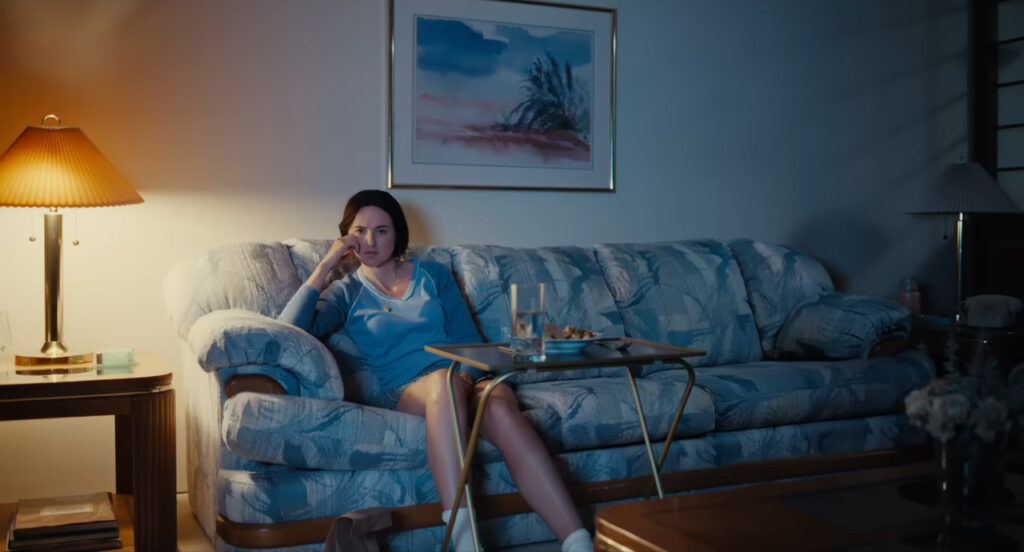
Perhaps what feels strange to me is how many people have treated this as some bold and original development for cinema. Because I don’t see a new idea here. I see an idea that the internet already consumed years ago, dissected from every angle, and endlessly reinterpreted—now being repackaged with a larger budget.
The magic of Backrooms was always the infinite possibilities generated by a single photograph. Every person who looked at that image imagined a different story. Some envisioned monsters. Some imagined parallel universes. Others simply felt an inexplicable sense of unease. I think that was the entire point.
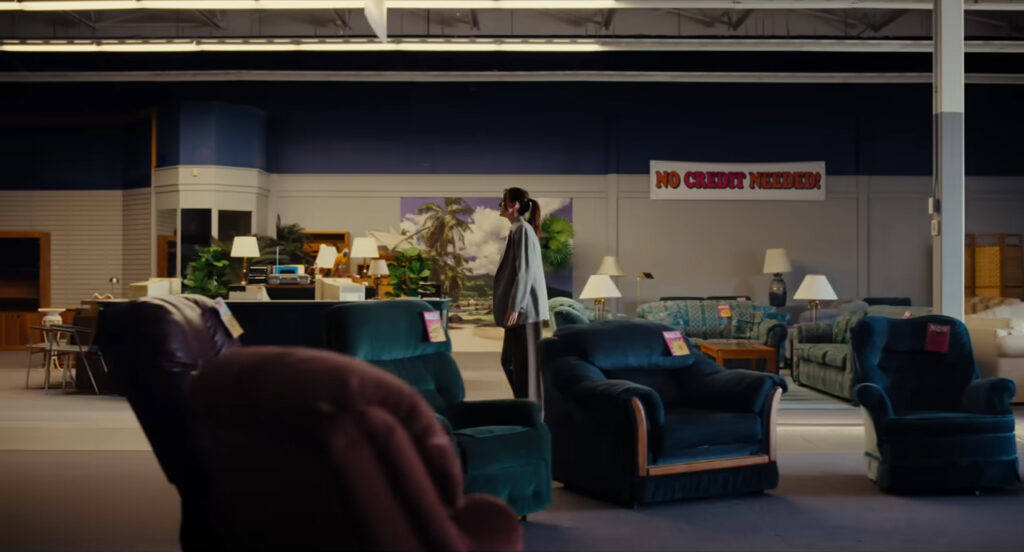
The moment you transform those possibilities into specific characters, a specific plot, and a two-hour screenplay, a large part of that mystery inevitably disappears. Worse still, the resulting story isn’t strong enough to compensate for what has been lost. Throughout the film, I constantly felt that the Backrooms name and the popularity attached to it were more important than the narrative itself. I never managed to shake that feeling.
You can call me old-fashioned if you want, but I believe some things are better left alone. This was an internet phenomenon, and perhaps it should have remained one. Does everything really need a movie adaptation? What exactly would we lose if we stopped making biopics about every artist, or if we resisted turning every strange internet idea into a feature film?
The more I think about it, the more I realize I’m asking for the impossible. Contemporary cinema is increasingly driven by recognisable brands, pre-existing concepts, and established fanbases. In an environment like that, it was probably inevitable that a phenomenon like Backrooms would eventually become a film. Unfortunately, Backrooms is neither the first nor the last example of this trend.
Ultimately, I find myself disagreeing with the critical consensus that can be summarized as, “At last, fresh blood has arrived in cinema.” What I see here is not cinema discovering something new, but rather the repackaging of an idea that originated within internet culture. As a result, the film feels less like a breakthrough and more like another example of Hollywood’s increasingly brand-driven approach to filmmaking.
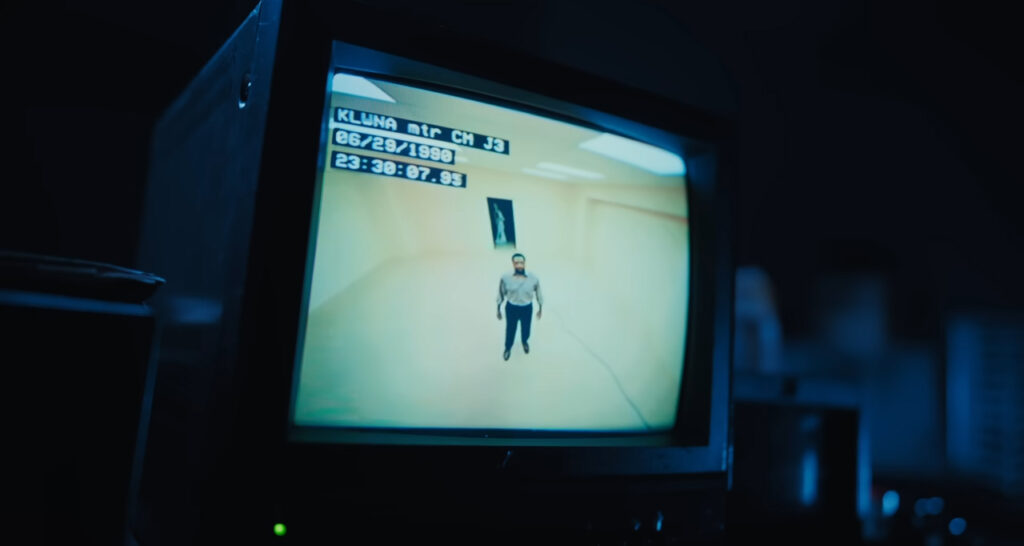
I suspect I’ll never fully make peace with this film because I’m fundamentally at odds with its very existence—and with the broader mindset of “let’s turn everything into a movie.” Still, I can acknowledge that the cinematography is excellent and that the film is technically impressive overall. Much of that success comes from cinematographer Jeremy Cox, whose work you may remember from Keeper (2025) or the visually stunning Until Branches Bend (2022). The score was composed by director Kane Parsons alongside Edo Van Breemen. Interestingly, Obsession director Curry Barker also handled many aspects of his own film, including writing and editing. Perhaps it’s simply an old habit shared by these YouTube born filmmakers—being accustomed to doing everything themselves.
That concludes our review of Backrooms
Did you enjoy the article? Let us know in the comments down below!
For more episodes of More Movies Weekly as well as our other shows and podcasts, be sure to check out the Podcasts page on our website.
Remember, you can have a choice of what films we review on our Weekly podcast by joining us on Patreon here.
Please join us on social media on Bluesky, Instagram and Facebook. We really appreciate all the likes, shares, retweets etc., and we would love to hear from you and continue chatting about all things cinema on these platforms.
If you love to watch videos on YouTube, then please subscribe to our channel here. There’s lots of fun and informative videos uploaded that we hope you will enjoy!
We have a passion for movies and aim to produce entertaining and informative movie-related content. It certainly is a lot of hard work, but we love films so much that it’s worth all the effort. We have to keep the lights on and make sure we have plenty of caffeine to keep all of the articles, videos and social media posts coming, so if you like our work, then please consider supporting us at Buy Me A Coffee here. You can also become a More Movies patron on Patreon here.
To help support us here at More Movies, we do use advertising in a few places and we try our best to make sure they are not intrusive or aggressive, so we appreciate it if you do not use AdBlockers on our site. Who knows, you may actually see something you like!
We are also affiliated with Funky T-shirts so be sure to check out their range of cool t-shirts which include categories Film & TV, Slogans and Retro Comics!